Home/Blog/The Self-Improving Agent and the Rise of the Collaborative AI Office
human + AI workflows
The Self-Improving Agent and the Rise of the Collaborative AI Office
The Self-Improving Agent and the Concept of the Collaborative AI Office The rapid evolution of artificial intelligence is enabling the development of dynamic, learning entities. Im
13 MIN READ
14 Jun 2026
human + AI workflows
The Self-Improving Agent and the Concept of the Collaborative AI Office
The rapid evolution of artificial intelligence is enabling the development of dynamic, learning entities. Imagine an AI that not only executes tasks but grows with experience, continuously refining its capabilities. This vision is becoming increasingly tangible with innovations like the Hermes Agent.
Nous Research's Hermes Agent offers an example of this evolving breed of AI. It incorporates a learning loop, persistent memory, and the ability to create and refine its skills based on experience. This approach suggests a potential shift: moving beyond mere automation towards augmentation that can adapt, evolve, and become more proficient over time.
While individual agents like Hermes can enhance personal productivity, a key area of focus is how these agents might integrate into and . How do we move from individual AI empowerment to collective intelligence within a structured AI office environment? aims to provide a shared workspace where AI agents and human teams can collaborate, working to transform individual AI capabilities into a more cohesive unit. The concept of the individual self-improving agent is emerging; the challenge and opportunity now is to explore how to orchestrate these agents for collective impact.
01Deconstructing Hermes Agent: The Architecture of Self-Improvement
At its heart, Hermes Agent is an open-source AI agent designed to learn, adapt, and improve through experience. Its design aims to go beyond the scope of a mere chatbot or a coding copilot. Instead, Hermes is positioned as an agent intended to "live on your server," remembering interactions and building a model of its user's projects and preferences.
The Learning Loop Explained
A key aspect of Hermes Agent is its learning loop:
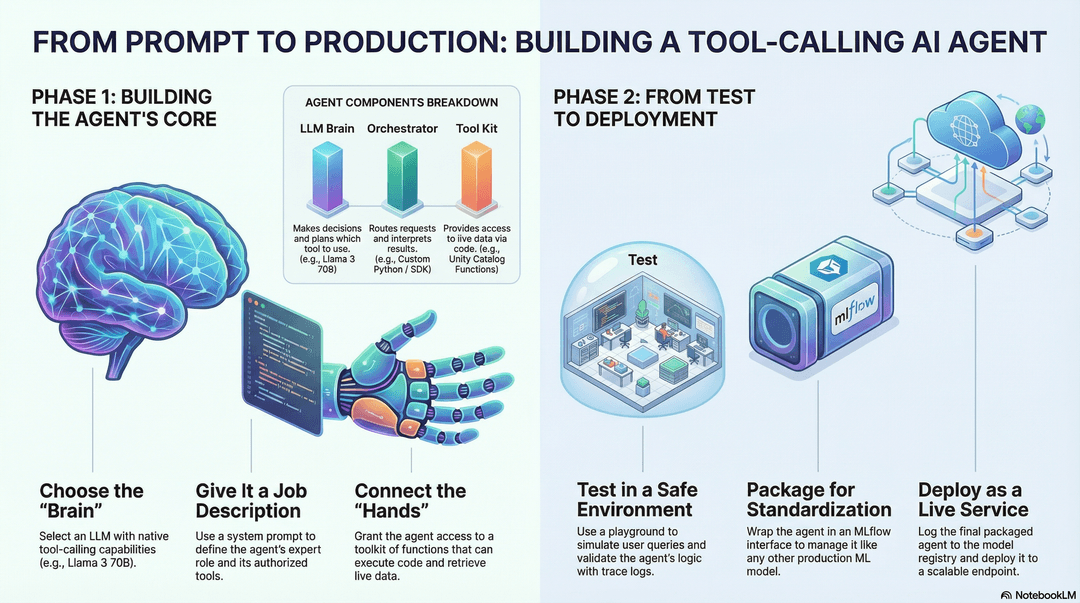
Skill Creation: As Hermes observes tasks and interactions, it is designed to identify patterns and generate new "skills" or capabilities. These skills are designed as encapsulated solutions to recurring problems or complex procedures, aiming to structure the agent's learning.
Skill Improvement: The process doesn't stop at creation. Hermes is designed to engage in an iterative refinement process, working to enhance its skills based on feedback and subsequent executions. This self-correction mechanism is intended to help the agent become more efficient, accurate, and robust over time.
Persistent Memory: This feature allows Hermes to retain knowledge across sessions. Unlike ephemeral AI interactions, Hermes retains knowledge across sessions. It builds a persistent memory of its environment, its user's projects, and the solutions it has developed. This memory helps the agent avoid starting from scratch with each new task, allowing it to leverage its accumulated data and potentially improve its performance over time.
Designed for Autonomy and Multi-Platform Presence
Hermes Agent is designed to move beyond reactive responses towards proactive task execution and problem-solving. It is designed to initiate actions, manage dependencies, and work towards objectives, with the goal of requiring minimal human prompting once a goal is set. Furthermore, its ability to engage across various platforms—including Telegram, Slack, Email, and CLI—highlights its potential adaptability and reach.
In essence, Hermes Agent represents a step towards adaptive AI agents. It is designed with the aim of handling complex, evolving tasks with reduced human intervention over time, addressing aspects of what advanced individual agents might accomplish and how.
02The Limitation of Silos: Why Individual Agents Could Benefit from an AI Office
While an agent like Hermes can be effective for individual users, its design—focused on growing "with you"—highlights a challenge in the modern, collaborative workplace. The strength of an individually optimized agent, tailored to one user's context and preferences, becomes a limitation when applied to a team or organizational setting.
The Collaboration Gap
The primary hurdle for standalone, self-improving agents in a team environment is the collaboration gap:
Shared Context: How does an individually optimized agent share its learned skills, persistent memory, and contextual understanding with other agents or human team members? If an agent develops a workflow for a specific project, that knowledge remains siloed with its individual "owner."
Knowledge Silos: Without a shared environment, insights and automated workflows developed by one agent can remain isolated. This can hinder collective learning, limit the cross-pollination of efficiencies, and potentially impact overall organizational intelligence. The sum of individual agent capabilities does not automatically equate to collective team intelligence.
Orchestration Challenges: Managing multiple independent, self-improving agents, each with its own learning trajectory, becomes complex and inefficient for a team or organization. Ensuring they work in concert, avoid redundant efforts, and align with overarching business objectives requires a level of coordination that individual agents are not designed to provide.
Beyond Personal Productivity
A key ambition for enterprises is not just to make individual employees more productive with AI, but to explore ways to enhance the entire team's collective intelligence and output. While a single Hermes Agent can potentially boost one person's efficiency, organizational transformation may benefit from a framework that allows individual agent capabilities to contribute to a unified, synergistic force.
This section explores why a potential next step for advanced AI agents could be integration into a shared, collaborative workspace, rather than just personal deployment. For AI to potentially have a broader impact in the enterprise, it may be beneficial to explore moving beyond individual deployment and into a collective, orchestrated environment.
03Nonilion: A Platform for Collective Intelligence in the AI Office
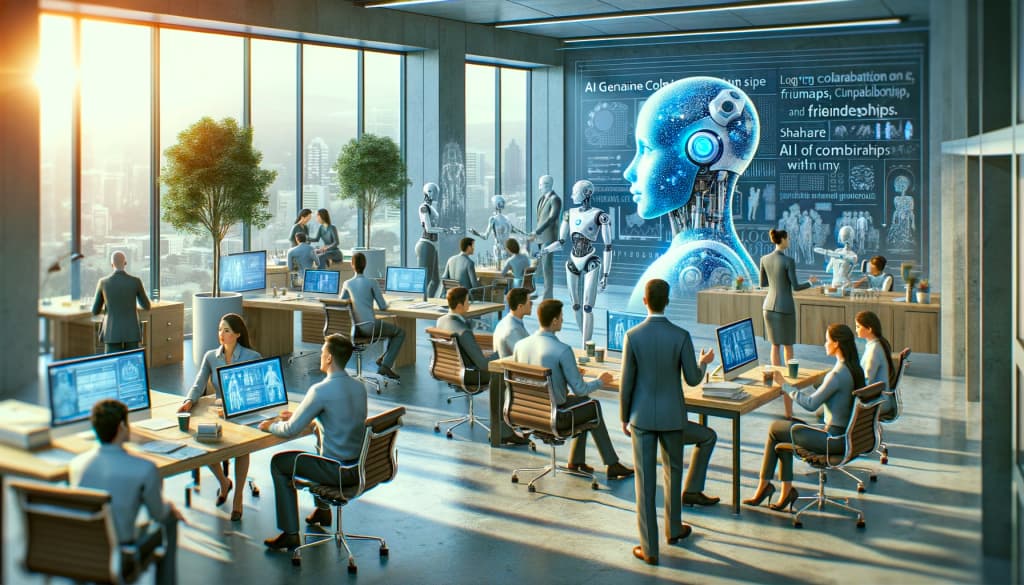
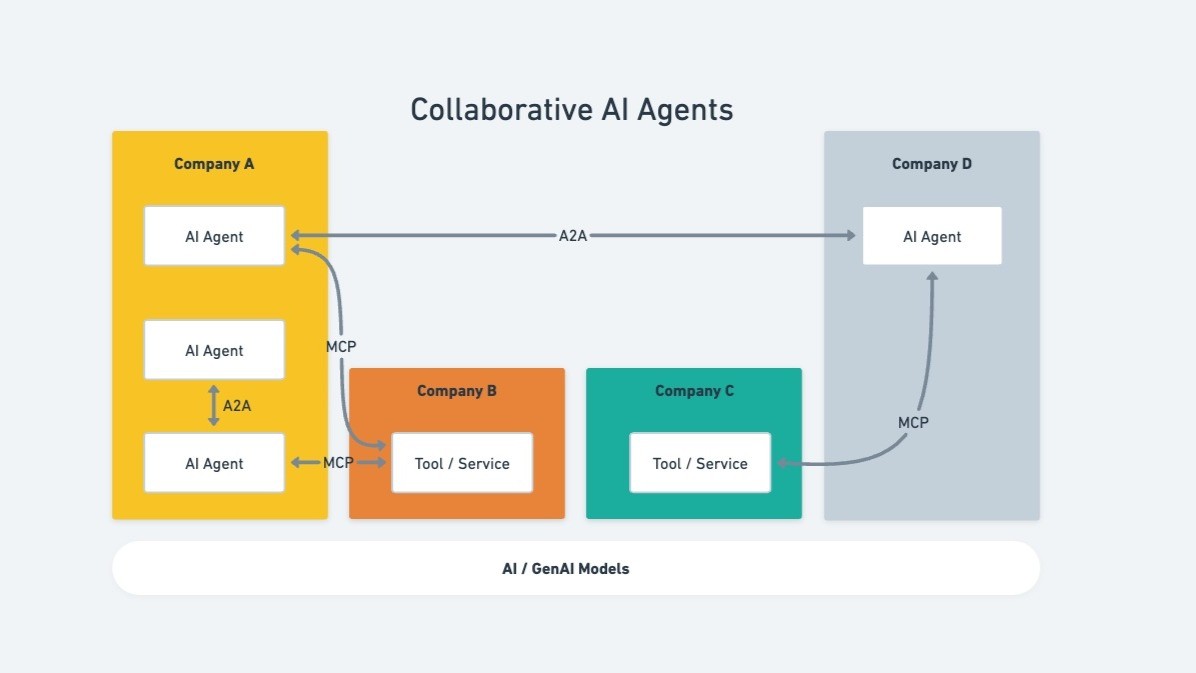
This is where the concept of an "AI office" can be explored as a potential solution. While agents like Hermes demonstrate the potential of self-improving AI for individual tasks, Nonilion aims to provide an AI office environment where these agents (and their human counterparts) can collaborate, share context, and contribute to organizational intelligence, working to transform individual capabilities into a more cohesive AI-human team.
[this platform](https://this platform.com/) is designed to bridge the gap between individual AI prowess and collective organizational impact:
Shared Workspace for Agents and Humans: [this platform](https://this platform.com/) provides the virtual environment where multiple AI agents—whether [this platform](https://this platform.com/)'s own or integrated external agents like Hermes—can operate alongside human team members. This unified digital space aims to provide participants, artificial or human, with access to relevant information, tools, and project contexts, with the goal of fostering an integrated team experience.
Collective Memory and Knowledge Base: Unlike individual agents, [this platform](https://this platform.com/) enables a shared, persistent memory for the entire team. This means an agent's learned skills, insights from one project, or even specific problem-solving methodologies can be leveraged by other agents or humans on different tasks. This shared knowledge base aims to contribute to collective intelligence, potentially allowing the organization to learn and develop as a more unified entity, rather than as a collection of isolated intelligences.
Workflow Automation and Orchestration:
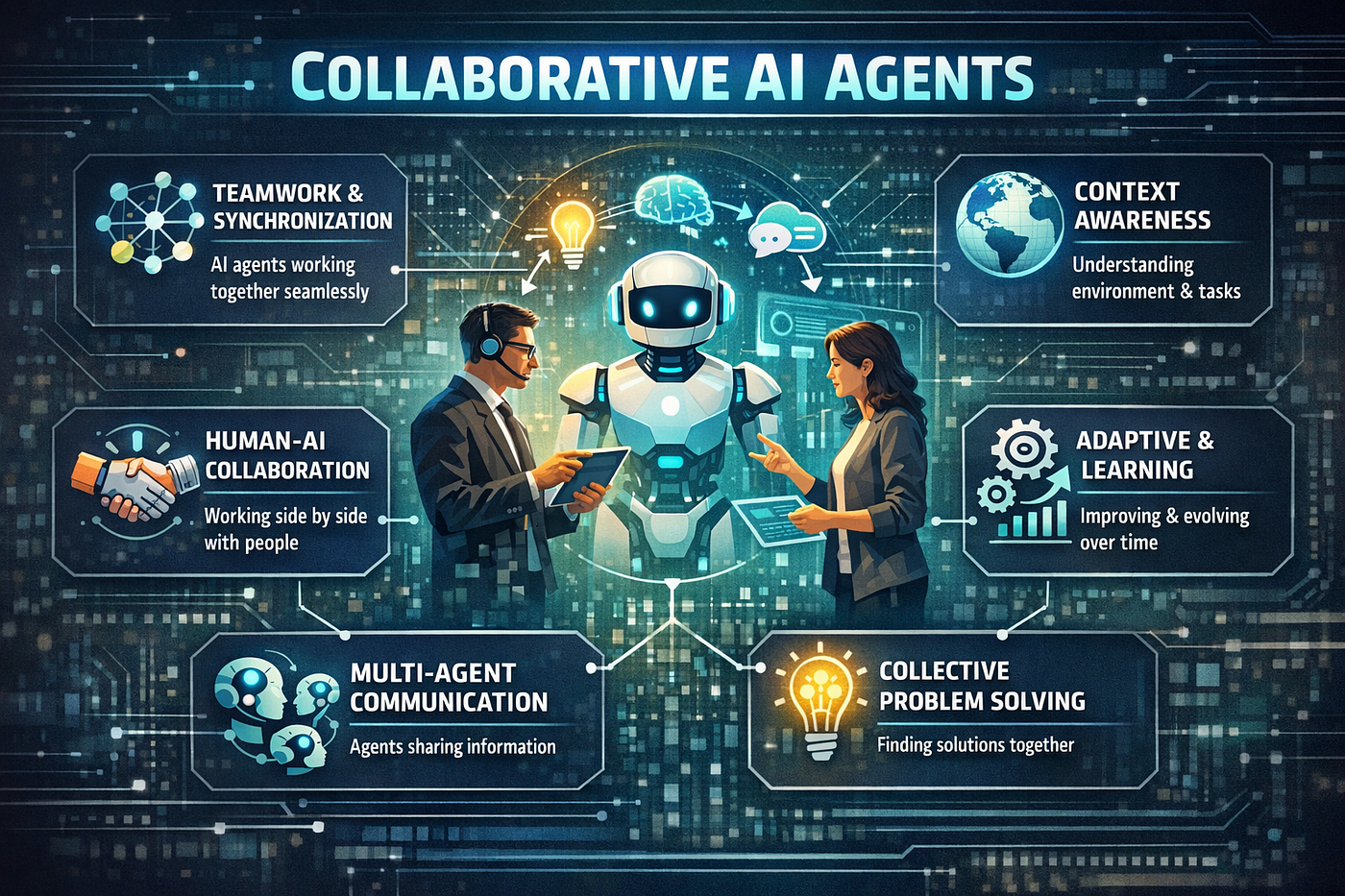
Async Execution: [this platform](https://this platform.com/) facilitates complex, multi-step workflows where agents can execute tasks asynchronously, working to pass information and results to the next stage or team member. This capability aims to help projects progress efficiently, even when individual components require different processing times or agent specializations.
Team Coordination: It provides a framework for agents to coordinate efforts, manage dependencies, and contribute to larger team objectives. This aims to move beyond simple task automation towards strategic project execution, where agents can contribute to shared goals, potentially similar to how human team members collaborate.
Human + AI Co-working: [this platform](https://this platform.com/) is designed to support interaction, allowing humans to guide, supervise, and collaborate directly with AI agents. This aims to help align the capabilities of agents with strategic business goals and ethical considerations. Humans remain in the loop, providing oversight and direction, while agents handle the adaptive, iterative work.
In essence, [this platform](https://this platform.com/) aims to facilitate the transformation of individual agent learning into organizational learning. Where Hermes Agent "grows with you," [this platform](https://this platform.com/) is designed to help this growth extend to "grows with your organization," where collective experience can contribute to continuous improvement across the team. This addresses aspects of the "Where" and "How" of scaling agent intelligence for enterprise-wide impact.
04The Future of Work: Exploring Collaboration Between Human and AI Agents
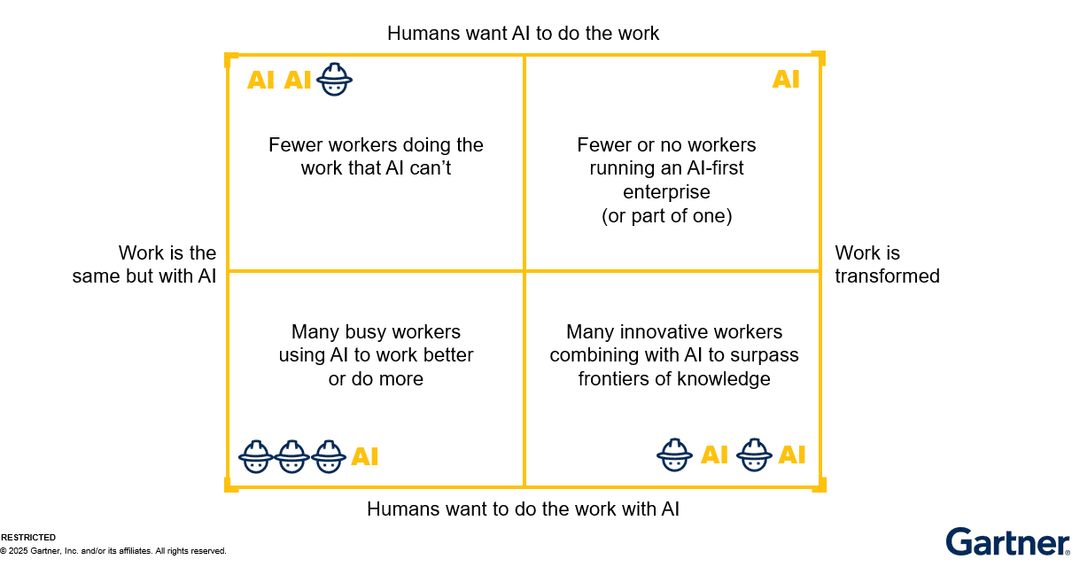
The evolution of agents like Hermes and collaborative platforms like [this platform](https://this platform.com/) suggests a potential shift in how we perceive AI in the workplace. AI agents are evolving beyond traditional tools; they are becoming more active participants, potentially enabling new forms of collaboration between humans and machines.
The Augmented Enterprise
This future envisions an augmented enterprise where:
Strategic Augmentation: Businesses may leverage self-improving agents for strategic analysis, contributing to problem-solving, and identifying opportunities. Agents can analyze datasets, identify trends, and suggest approaches to challenges, potentially allowing human teams to focus on higher-level decision-making and innovation.
Dynamic Skill Pools: Imagine an AI office where new skills, learned by agents through experience, could be made available to the entire team. This could contribute to a dynamic skill pool that expands organizational capabilities, potentially reducing some traditional overhead associated with human training or onboarding. Insights gained by an agent on one project could potentially benefit another, contributing to organization-wide improvement.
Redefining Roles and Responsibilities
This shift may redefine traditional roles and responsibilities:
Human Focus: With agents potentially handling more adaptive, iterative, and data-intensive tasks, human roles may shift towards higher-level strategy, creativity, ethical oversight, and complex interpersonal problem-solving. The unique human capacities for empathy, intuition, and abstract reasoning may become even more valuable.
Agent Specialization: We may see the emergence of specialized agents, each focusing on specific domains—be it data analysis, customer support, content generation, or project management—potentially orchestrated within a central AI office. This specialization, combined with collective intelligence, could contribute to highly efficient and adaptable teams.
Ethical Considerations and Governance
As AI agents become more autonomous and self-improving, robust frameworks for managing them become increasingly important. Ensuring transparency in their decision-making, establishing clear lines of accountability, and aligning their actions with human values and organizational ethics is paramount. Governance models will need to evolve to address the complexities of a hybrid human-AI workforce.
The "When" for this future is an active area of development. Platforms like [this platform](https://this platform.com/) are contributing to the practical implementation of this vision today, suggesting that the intelligent office is an evolving reality.
05Practical Implications for Businesses: Considerations for an AI-Assisted Team
For organizations looking to explore the potential of self-improving agents and collaborative AI office platforms, a strategic approach can be beneficial. The journey from individual AI tools to integrated, collaborative AI teams requires careful planning and execution.
Identify Pain Points: Begin by identifying areas within your organization ripe for automation and where adaptive learning can provide significant value. This might include repetitive customer support queries, complex data analysis tasks, or dynamic project management challenges that benefit from continuous learning.
Pilot Programs: Implement agents in controlled environments through pilot programs. This allows teams to understand their learning curves, evaluate their effectiveness, and identify integration challenges before a broader rollout. Start small, learn fast, and iterate.
Cultivating an AI-Ready Culture
Training and Upskilling: Prepare human teams to collaborate effectively with AI agents. This involves training on how to interact with agents, interpret their outputs, and leverage their capabilities to enhance human productivity rather than replace it.
Defining Human-AI Interfaces: Establish clear communication protocols and interaction models within the AI office. This aims to support the handover of tasks, effective feedback loops, and a co-working environment between humans and AI agents.
Scalability and Security
As the number of agents and their scope of work grows, consider the scalability of your AI infrastructure and the security of your data. Robust security protocols, access controls, and compliance frameworks are crucial for deploying and managing a growing fleet of agents within a secure, compliant environment.
Measuring Impact
Establish clear metrics to track the performance and return on investment (ROI) of AI agent integration, both for individual tasks and collective team output. This data-driven approach allows organizations to refine their AI strategy, optimize agent deployment, and demonstrate the tangible benefits of an AI-powered workforce.
06Conclusion: The Evolving Intelligent Office
From the capabilities of individual agents like Hermes to the collaborative potential of an AI office, the future of work is being influenced by evolving AI. These adaptive entities are designed to learn and evolve, potentially becoming valuable contributors to teams.
[this platform](https://this platform.com/) aims to contribute to this transformation, offering a platform where human ingenuity can integrate with AI's adaptive capabilities in a shared workspace. It’s about exploring an environment where agents, human or artificial, can contribute to collective intelligence, aiming to foster collaboration and efficiency.
The journey from individual AI tools to integrated, collaborative AI teams represents a potential evolution in how an organization can achieve its goals. The concept of an intelligent office, supported by self-improving agents and collaborative platforms, is emerging, with the potential to influence how we work, innovate, and grow.
07Why This Trend Matters for Nonilion
This trend matters to Nonilion because it points to a bigger change: teams are moving from simple calls toward persistent, AI-supported collaboration spaces. Nonilion can bridge live presence, meeting context, avatars, and follow-up work so the trend becomes a usable workflow instead of a headline.
08Shareable Extracts
The trend is not just "The Self-Improving Agent and the Rise of the Collaborative AI Office" - it is a signal that team coordination is becoming the next competitive edge.
Hot take: the teams that win from this shift will not be the ones with more meetings; they will be the ones with clearer shared context after every meeting.
If the self-improving agent and the rise of the collaborative ai office keeps moving this fast, remote teams need a workspace where conversation, presence, and follow-up stay connected.
The Self-Improving Agent and the Concept of the Collaborative AI Office The rapid evolution of artificial intelligence is enabling the development of dynamic, learning entities.
Imagine an AI that not only executes tasks but grows with experience, continuously refining its capabilities.
09Social Hooks
Everyone is talking about The Self-Improving Agent and the Rise of the Collaborative AI Office. The overlooked part is what happens to team workflows after the headline fades.
The uncomfortable question behind The Self-Improving Agent and the Rise of the Collaborative AI Office: are teams adapting their collaboration systems fast enough?
This is not a meeting trend. It is a coordination trend, and products like Nonilion sit right in the middle of that shift.