Home/Blog/Reclaiming Your Digital Frontier: The Power of Self-Hosted AI Workspaces
virtual coworking
Reclaiming Your Digital Frontier: The Power of Self-Hosted AI Workspaces
Exploring Your Digital Frontier: The Potential of Self-Hosted AI Workspaces The digital landscape is constantly evolving, with artificial intelligence becoming an increasingly impo
14 MIN READ
19 Jun 2026
virtual coworking
Exploring Your Digital Frontier: The Potential of Self-Hosted AI Workspaces
The digital landscape is constantly evolving, with artificial intelligence becoming an increasingly important tool for productivity and innovation. As AI capabilities grow, so do important considerations around data privacy, control, and operational efficiency. For organizations and individuals alike, the concept of a self-hosted AI workspace is emerging as an appealing option to address these challenges, offering a viable alternative to purely cloud-based solutions. A self-hosted AI workspace involves running AI models and their inference stack on hardware you control, whether that's a local machine, an edge device, or an on-premises server. This approach can be more than a technical preference; it can represent a strategic decision for greater control over AI operations. Nonilion, for instance, envisions a future where human-AI collaboration thrives in such secure, controlled environments, fostering innovation without compromising on privacy.
The decision to deploy a self-hosted AI workspace extends beyond technical specifications; it’s a strategic choice that can have significant implications for an organization's security, finances, and operational agility.
Want your team to run this workflow with AI-native execution?
Privacy and Data Sovereignty: A Foundational Aspect
One of the key drivers for self-hosting AI can be the pursuit of privacy and data sovereignty. When AI models run on cloud platforms, data processing often occurs on third-party servers, raising questions about data handling, storage, and compliance with regulations like GDPR or HIPAA. A self-hosted environment helps ensure that sensitive information—be it proprietary research, confidential client data, or internal communications—remains within your controlled infrastructure. This direct control over data flow and storage can be highly beneficial for maintaining confidentiality and trust, especially in industries dealing with highly sensitive information.
Cost Efficiency and Predictability: Exploring Long-Term Value
While cloud AI platforms offer convenience, their pricing models, often based on usage, can sometimes present challenges in cost predictability and scalability for some organizations. Self-hosted AI, conversely, involves an initial investment in hardware and infrastructure. However, over the long term, this model may offer potential for cost efficiencies and more predictable expenditures. By owning the infrastructure, organizations may be able to reduce or avoid some recurring subscription fees, egress charges, and variable costs associated with API calls, potentially contributing to a more stable budget for AI operations.
Customization and Control: Tailoring AI to Specific Operational Needs
Some cloud AI services may offer a more standardized approach, which could limit the degree of customization for certain specific needs. Self-hosted workspaces can offer a high degree of control over the entire AI stack, from selecting specific open-source models (e.g., those compatible with Ollama or LocalAI) to fine-tuning them with proprietary datasets. This level of customization can allow organizations to tailor AI capabilities to their specific operational requirements, potentially integrating AI more closely into existing workflows and developing solutions that address particular business challenges.
Performance and Latency: Considerations for Real-Time Applications
For applications that may benefit from real-time processing or low latency, self-hosted AI can offer advantages. By running models locally, the computational load is handled directly on your hardware, reducing network delays associated with transmitting data to and from cloud servers. This can result in faster inference times and a more responsive user experience, which can be important for enabling real-time human-AI collaboration and interactive applications.
Ethical AI and Transparency: Fostering Trust
Self-hosting can enable greater transparency and potentially enhance ethical governance over AI systems. With direct access to the underlying models and data, organizations can better understand how AI decisions are made, identify potential biases, and ensure alignment with ethical guidelines. This transparency can be important for building trust among users and stakeholders, demonstrating a commitment to responsible AI deployment.
02Anatomy of a Self-Hosted AI Workspace: Key Components
Constructing a self-hosted AI workspace involves a careful selection of hardware and software components designed to deliver robust performance and seamless integration.
Hardware Considerations: From Edge Devices to On-Premise Servers
The foundation of any self-hosted AI environment is its hardware. Depending on the scale and performance requirements, this can range from powerful workstations with dedicated GPUs, edge devices for localized processing, or full-fledged on-premises servers. Modern GPUs are often essential for running larger language models efficiently, and the choice of hardware directly impacts the types of models that can be run and the speed of inference. For home labs or smaller teams, solutions like a powerful desktop or a mini PC with NPU support can be sufficient, while enterprises might opt for server racks with multiple high-end GPUs.
Software Stack: Models, Frameworks, and User Interfaces for Collaboration
The software stack is where the AI capabilities come to life. This includes:
Models: Open-source Large Language Models (LLMs) and other AI models, often optimized for local deployment.
Frameworks: Tools like Ollama simplify running LLMs locally, while others like LocalAI offer API compatibility with popular cloud AI services.
User Interfaces (UIs): Frontends are important for user interaction. Options like OpenWebUI, AnythingLLM, and LibreChat provide chat interfaces and management tools that enhance the user experience, making local AI accessible and collaborative. The community actively discusses the "best self-hosted AI UI" for various needs, from mobile accessibility to feature richness.
Orchestration: For multi-user or complex workflows, orchestration platforms are needed to manage model loading, resource allocation, and agent interactions.
Orchestration and Management: Managing AI for Team Use
As AI adoption grows within an organization, the ability to orchestrate and manage these self-hosted resources becomes paramount. This involves setting up multi-user access, implementing role-based controls, and ensuring that AI agents can be deployed, monitored, and scaled efficiently. Effective management tools facilitate the integration of AI into team-wide workflows, allowing for shared knowledge bases and collaborative AI agent execution.
03From Home Lab to Enterprise: Self-Hosted AI for Collaboration
The principles of self-hosted AI, once primarily explored in home labs, are now scaling to enterprise environments, transforming how teams collaborate and innovate.
Multi-User Access and Role-Based Control: Managing Team AI Access
In an enterprise setting, a self-hosted AI workspace must support multiple users with varying access levels. Implementing robust role-based access control (RBAC) ensures that individuals or teams can interact with AI models and data relevant to their roles, maintaining security and compliance while fostering widespread AI engagement.
Shared Knowledge Bases and Context: Enhancing AI Relevance
A key advantage of a centralized, self-hosted AI environment is the ability to build and maintain shared knowledge bases. These repositories of organizational data, documents, and context allow AI agents to draw upon collective intelligence, providing more accurate, relevant, and consistent responses across different teams and projects. This can help evolve the AI from a personal assistant to a more collective intelligence asset.
Collaborative AI Agent Workflows: Automating Beyond Individual Tasks
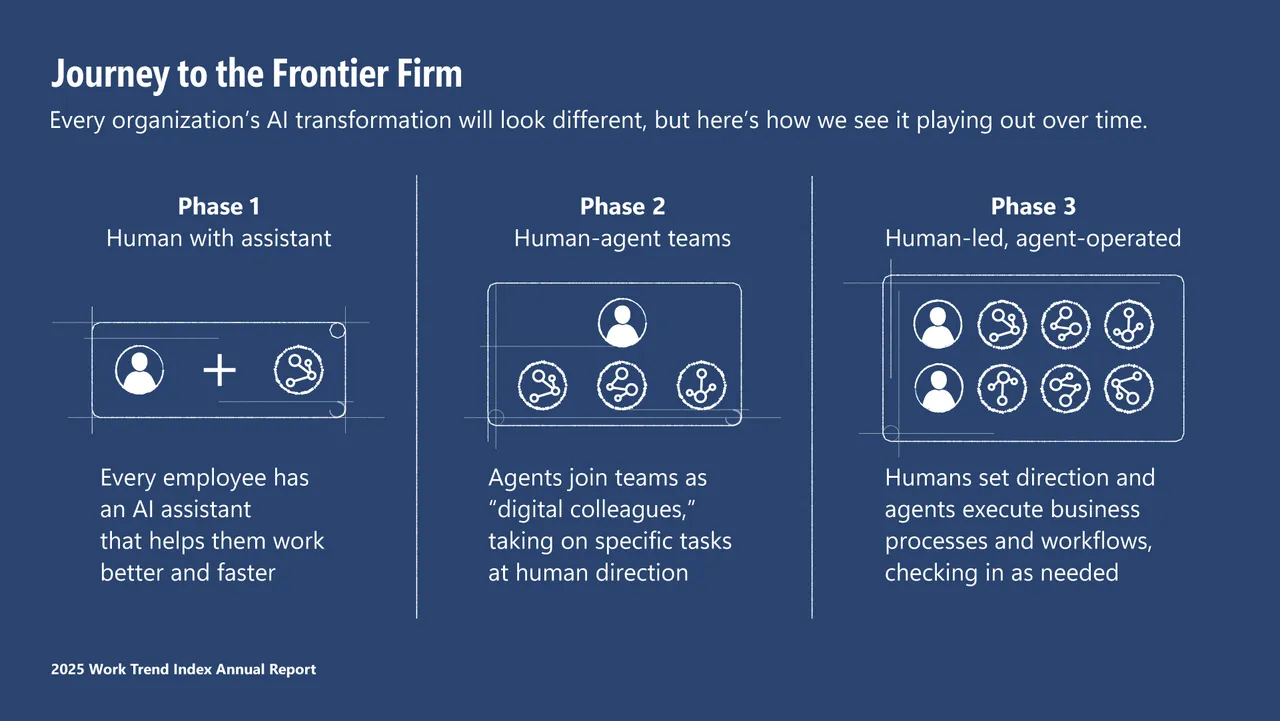
Self-hosted environments enable the creation of sophisticated collaborative AI agent workflows. These agents can work in concert, automating complex, multi-step tasks that span different departments, from drafting reports and analyzing data to managing project timelines and facilitating communication. This moves beyond individual task automation to orchestrating intelligence for broader organizational impact.
Integration with Existing Enterprise Systems: Facilitating AI Adoption
For effective adoption, self-hosted AI workspaces should integrate effectively with existing enterprise systems—CRM, ERP, project management tools, and communication platforms. This integration helps ensure that AI capabilities are not isolated but become an embedded part of daily operations, enhancing efficiency and decision-making without requiring wholesale changes to the technological infrastructure.
00Nonilion's Vision: The Self-Hosted AI Workspace as the Ultimate AI Office
Nonilion stands at the forefront of this evolution, championing the self-hosted AI workspace as the ultimate AI office. Our vision centers on empowering organizations to harness the full potential of AI within a secure, private, and fully controlled environment, fostering a new era of human-AI agent collaboration.
Nonilion is built on the premise that impactful AI collaboration happens when humans and AI agents work together seamlessly, in an environment where privacy is considered paramount. In Nonilion's ecosystem, teams can deploy AI agents that operate on proprietary data without it ever leaving their controlled infrastructure. This creates a private, dynamic workspace where human insights guide AI capabilities, leading to potential enhancements in productivity and innovation.
Tailored AI for Sensitive Projects: Legal, R&D, and Financial Confidentiality
For sectors dealing with highly sensitive information—such as legal counsel, R&D labs, or financial institutions—for many organizations, the ability to run AI models on-premises is a critical requirement. this platform's platform provides the framework for tailoring AI solutions to these specific needs, helping ensure that all data processing, analysis, and generation occur within the confines of an organization's security protocols. This allows for the use of advanced AI in areas previously deemed too risky for cloud deployment.
Effective Workflow Automation & Async Execution: this platform's Core in Your Control
this platform's platform is designed to facilitate effective workflow automation and asynchronous execution within your self-hosted AI workspace. This means complex tasks, from data synthesis to content generation, can be initiated and run by AI agents in the background, freeing up human resources for higher-value activities. The control over this execution, from resource allocation to scheduling, remains entirely with the organization, helping ensure operational efficiency and strategic alignment.
Scalability and Governance in a Controlled Environment: Supporting Your AI Strategy
With this platform's platform, organizations gain the tools for robust scalability and governance within their self-hosted AI environment. As AI needs grow, the infrastructure can be expanded without external dependencies or data exposure risks. Comprehensive governance features help ensure compliance, ethical use, and efficient resource management, supporting an organization's AI strategy against evolving demands and regulations.
05Navigating the Implementation: Challenges and Best Practices for Adoption
While the benefits are clear, implementing a self-hosted AI workspace requires careful planning and execution to overcome potential challenges.
Initial Setup Complexity: Strategic Planning for a Smooth Rollout
Setting up a self-hosted AI workspace can be more complex than subscribing to a cloud service. It involves selecting appropriate hardware, configuring the operating system, installing AI frameworks, and integrating various software components. Strategic planning, including a thorough assessment of hardware needs and software compatibility, is crucial for a smooth rollout. Resources like "Local AI Setup Guide" can be invaluable here.
Maintenance and Updates: Ensuring Longevity and Performance
Unlike cloud platforms where maintenance is handled by the provider, self-hosted solutions require internal teams to manage updates, security patches, and hardware maintenance. Establishing clear protocols for regular maintenance and staying informed about the latest software versions and security advisories are essential for ensuring the longevity and optimal performance of the AI workspace.
Security and Compliance: Upholding Standards in a Self-Managed Environment
While self-hosting offers greater control over privacy, it also shifts the responsibility for security and compliance entirely to the organization. Robust cybersecurity measures, including firewalls, intrusion detection systems, and regular audits, are critical. Additionally, ensuring that the self-hosted environment adheres to relevant industry standards and regulatory requirements is paramount.
Choosing the Right Tools and Infrastructure: A Strategic Decision
The proliferation of open-source AI tools and frontends means there are many choices available, from "Top 5 Local Hosted Ai Frontends" to specific tools like AnythingLLM or Ollama. The decision of which tools and infrastructure to adopt should be driven by specific use cases, budget, technical expertise, and long-term strategic goals. A thorough "Hardware Review" can also inform decisions for optimal performance.
06The Potential for Local: Empowering AI-Powered Work
The trend towards self-hosted AI workspaces signifies a broader shift in how organizations perceive and utilize artificial intelligence. It's about more than just technology; it's about empowerment, control, and strategic advantage.
Making Advanced AI Capabilities Accessible: Bringing AI to Every Team Member
By making AI capabilities accessible within a controlled, on-premises environment, organizations can make advanced AI more broadly available. This can allow every team member, regardless of their technical background, to leverage AI tools for their daily tasks, fostering an AI-first culture and potentially enhancing individual and collective productivity.
Fostering Innovation with Flexible Experimentation: Your Private AI Sandbox
A self-hosted AI workspace acts as a private AI sandbox, where teams can experiment with new models, fine-tune existing ones, and develop novel applications without concerns about data exposure or prohibitive cloud costs. This flexible environment can be fertile ground for innovation, allowing organizations to explore the boundaries of AI and discover unique solutions tailored to their needs.
The Evolving Role of Human-AI Teams: Orchestrating Intelligence
As self-hosted AI becomes more prevalent, the role of human-AI teams will continue to evolve. Humans will focus on strategic oversight, creative problem-solving, and ethical guidance, while AI agents handle repetitive tasks, data analysis, and information synthesis. this platform is dedicated to building platforms that facilitate this orchestration of intelligence, aiming for human and AI capabilities to complement each other for significant impact.
07Conclusion: Gaining Control Over Your AI Future, One Workspace at a Time
The self-hosted AI workspace represents a pivotal shift towards greater control, privacy, and customization in the age of artificial intelligence. It empowers organizations to build secure, efficient, and highly tailored AI environments that align with their strategic objectives and ethical commitments. While it requires a commitment to managing infrastructure, the long-term benefits in terms of data sovereignty, cost predictability, and the ability to foster innovation can be significant. By embracing self-hosted solutions, organizations are not just adopting a technology; they are gaining greater control over their digital environment and shaping their AI future, one workspace at a time. this platform is proud to be a part of this journey, enabling secure human + AI co-working and advanced workflow automation in the private AI office.
08Why This Trend Matters for Nonilion
This trend matters to Nonilion because it points to a bigger change: teams are moving from simple calls toward persistent, AI-supported collaboration spaces. Nonilion can bridge live presence, meeting context, avatars, and follow-up work so the trend becomes a usable workflow instead of a headline.
09Shareable Extracts
The trend is not just "Reclaiming Your Digital Frontier: The Power of Self-Hosted AI Workspaces" - it is a signal that team coordination is becoming the next competitive edge.
Hot take: the teams that win from this shift will not be the ones with more meetings; they will be the ones with clearer shared context after every meeting.
If reclaiming your digital frontier: the power of self-hosted ai workspaces keeps moving this fast, remote teams need a workspace where conversation, presence, and follow-up stay connected.
Exploring Your Digital Frontier: The Potential of Self-Hosted AI Workspaces The digital landscape is constantly evolving, with artificial intelligence becoming an increasingly important tool for productivity and innovation.
As AI capabilities grow, so do important considerations around data privacy, control, and operational efficiency.
10Social Hooks
Everyone is talking about Reclaiming Your Digital Frontier: The Power of Self-Hosted AI Workspaces. The overlooked part is what happens to team workflows after the headline fades.
The uncomfortable question behind Reclaiming Your Digital Frontier: The Power of Self-Hosted AI Workspaces: are teams adapting their collaboration systems fast enough?
This is not a meeting trend. It is a coordination trend, and products like Nonilion sit right in the middle of that shift.