Home/Blog/Prompt Engineering: How AI Offices Turn Better Inputs Into Better Work
human + AI workflows
Prompt Engineering: How AI Offices Turn Better Inputs Into Better Work
Prompt Engineering: How AI Offices Can Turn Better Inputs Into Better Work Prompt engineering is the practice of writing, refining, and improving inputs so generative AI systems ca
14 MIN READ
30 Jun 2026
human + AI workflows
Prompt Engineering: How AI Offices Can Turn Better Inputs Into Better Work
Prompt engineering is the practice of writing, refining, and improving inputs so generative AI systems can produce outputs that better match a task. In practice, that means giving an AI model clear instructions, relevant context, and examples so it can respond more accurately. For AI offices like Nonilion, this can matter because prompt quality may affect how well humans and AI agents coordinate on meetings, tasks, and follow-up work.
01What Is Prompt Engineering? A Practical Definition for AI Work
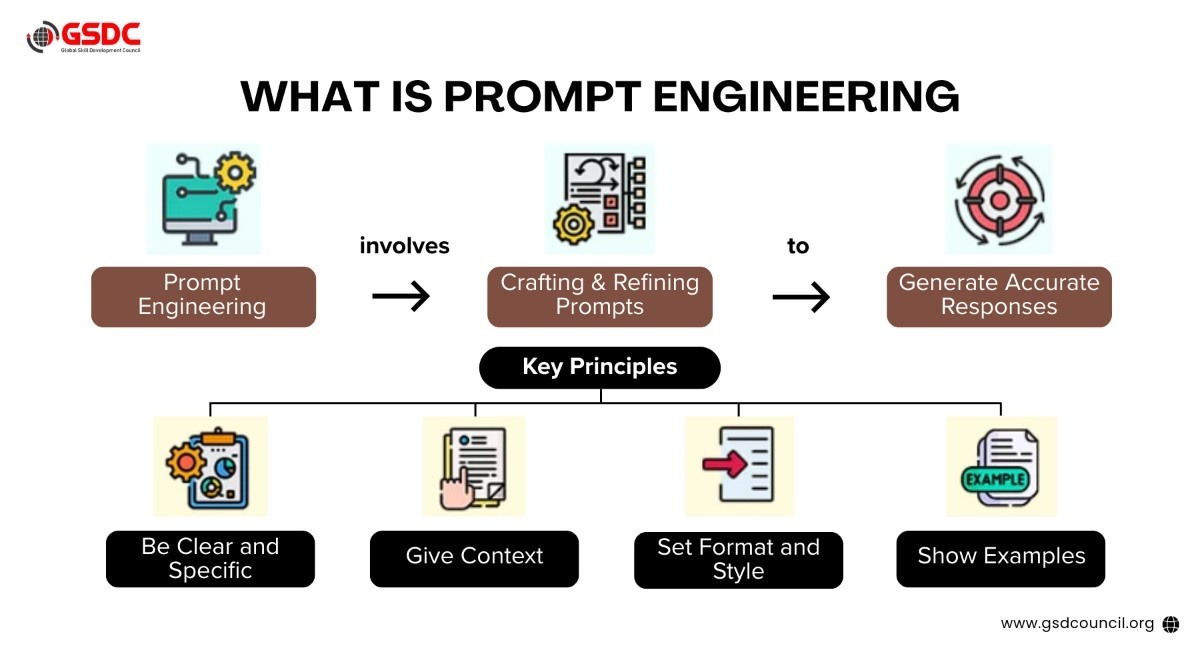
Prompt engineering is the discipline of structuring natural language inputs to guide generative AI toward desired outputs. It is often described as both an art and a process of iteration: wording matters, and prompts can be refined over time to improve results.
Want your team to run this workflow with AI-native execution?
A practical definition for office work is this: prompt engineering is how people ask AI to do work clearly enough that the output is useful with less rework. That can apply to text generation, summaries, question answering, code, or other outputs.
The core idea is simple: better prompts can lead to better results. But prompt engineering is not only about writing a request. It also involves understanding the model’s capabilities and limitations, and shaping the input so the AI can respond with more relevance, accuracy, and control.
02Why Prompt Engineering Matters More as AI Moves Into Daily Office Work
Prompt engineering matters because generative AI is increasingly used in everyday work, not just in experimental or technical settings. Good prompts can help models understand nuance, intent, and task requirements, which may reduce confusion and the need for manual review or post-generation editing.
That is especially important in office environments where people need outputs that are usable, consistent, and quick to act on. When AI is part of daily coordination, prompt quality can affect:
how well summaries capture what happened
how accurately responses match the audience
how reliably AI follows instructions
how much time teams spend fixing outputs afterward
This is why prompt engineering is becoming a team capability, not only an individual skill. As more work moves into AI-supported workflows, the prompt can become part of the operating layer of the office.
03How Prompt Engineering Works: From a Single Prompt to a Repeatable Workflow
Prompt engineering is usually an iterative process. You do not just write one prompt and stop. Instead, you refine it until the output better matches the task.
A basic workflow looks like this:
Define the task clearly.
Add context so the AI understands the situation.
Set constraints, tone, and output expectations.
Use examples when needed.
Review the output and refine the prompt.
This is where prompt engineering becomes more than a one-off request. It becomes a repeatable workflow that can be reused across a team. In a shared workspace like Nonilion, that can matter because prompt patterns can be stored, reused, and handed off between humans and AI agents instead of being recreated from scratch every time.
Several recurring techniques can improve output quality.
Clarity
Prompts should be unambiguous. Clear goals and specific instructions help the model understand what is being asked.
Context
Context helps the model respond with the right meaning. Users should think beyond the prompt and provide the full context when needed.
Constraints
Constraints shape the response. This can include tone, audience, scope, or what the model should avoid.
Examples
Examples help the model match the desired style or structure. Few-shot prompting and context plus examples can be useful approaches.
Output formats
A prompt can also specify the format of the response. This gives the AI a clearer target and can make the output easier to use in office workflows.
Together, these techniques help turn a vague request into a more reliable instruction set for AI work.
05Prompt Engineering vs. Context Engineering: Why the Best Results Come From Shared Information
Prompt engineering focuses on the wording of the request. Context engineering is related to managing the non-prompt and prompt context supplied to the model, such as system instructions, metadata, API tools, and tokens.
That distinction matters because strong results often depend on more than the prompt itself. If the AI does not have the right shared information, even a well-written prompt may produce incomplete or generic output.
In office settings, this means better outcomes often come from combining:
a clear prompt
the right background information
relevant documents or notes
task history or prior decisions
This is especially relevant for AI offices where humans and AI agents work together. The prompt tells the model what to do, while context tells it what it needs to know.
06When Prompt Engineering Is Enough—and When You Need a Human Review Loop or AI Agent
Prompt engineering is useful, but it is not always enough on its own. Prompt refinement can reduce manual review, but the broader discipline also includes working with tools, safety, and external knowledge.
In practice:
Prompt engineering alone can be enough for straightforward summaries, drafts, or structured responses.
A human review loop is useful when accuracy, tone, or judgment matters.
An AI agent becomes useful when the work needs to continue across steps, tools, or handoffs.
This is where the role of prompts starts to shift. Instead of just asking for an answer, teams begin directing work. That makes prompt design part of workflow design.
07How Teams Use Prompt Engineering in Real Office Scenarios
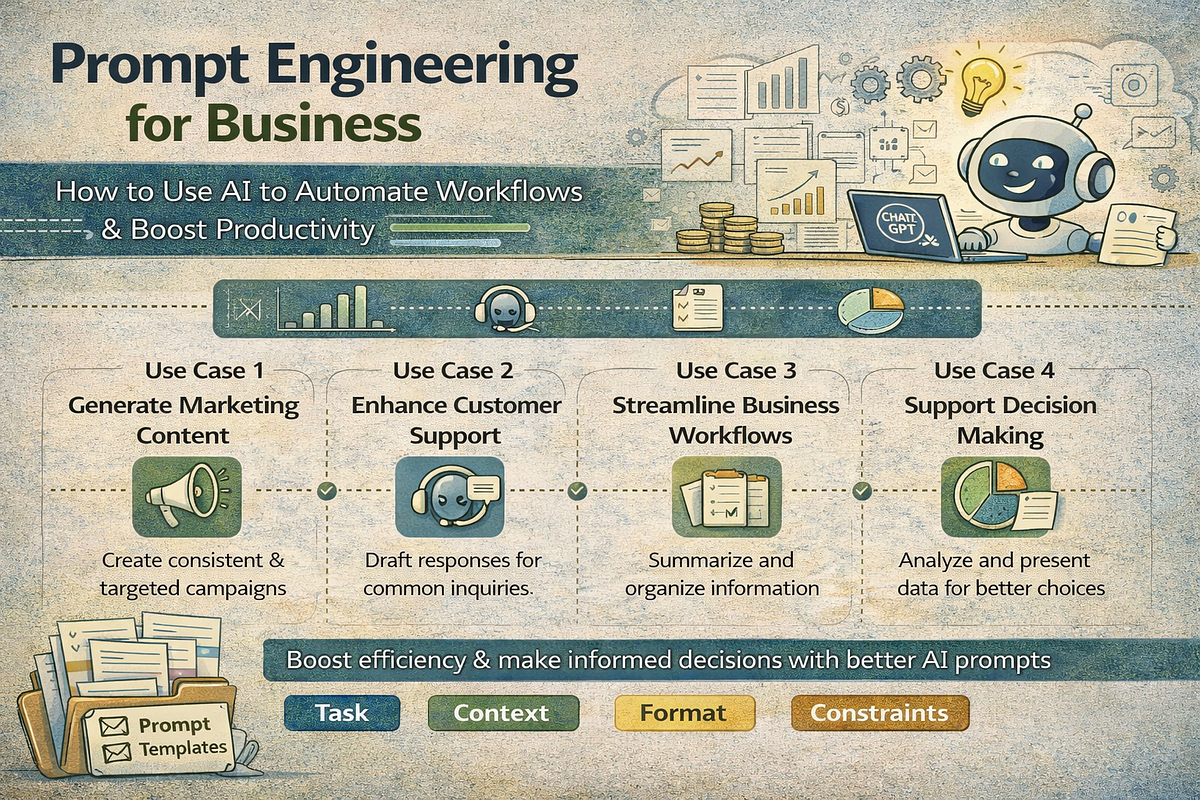
Prompt engineering can support a wide range of use cases, and office teams can adapt it to everyday collaboration.
Meeting recap prompts that turn conversation into action items
A prompt can help AI summarize a meeting into decisions, action items, and next steps. This is useful when teams want fast follow-up without rewriting notes manually.
Project status prompts that summarize progress, blockers, and next steps
Prompt engineering can help structure updates so the AI returns a consistent project snapshot. That can make it easier to compare progress across teams or time periods.
Client communication prompts that draft consistent, on-brand responses
Prompts can guide tone and audience so responses stay aligned with the intended communication style.
Task-routing prompts that help AI agents decide what to do next
As AI agents become part of office workflows, prompts can help direct the next step in a process. This is where prompt engineering starts supporting automation and handoffs, not just text generation.
00What Prompt Engineering Means for AI Offices Like Nonilion
In an AI office model, prompt engineering can become part of shared work infrastructure. For Nonilion, that means prompts are not just personal writing tricks; they can function as reusable instructions that support meeting follow-ups, async execution, and coordination between humans and AI agents in one workspace.
This matters because a shared office environment needs more than isolated prompts. It needs:
a common way to capture context
a repeatable way to hand work between people and AI agents
consistent standards for output quality
a workflow that reduces rework
In that sense, the platform fits the prompt engineering conversation as a practical example of how AI offices can organize work around shared instructions and shared context.
09This Platform as a Shared Workspace for Prompts, Context, and Agent Handoffs
The strongest prompt workflows are not just about writing better requests. They are about building a system where prompts, context, and handoffs live together.
For a team working in this platform, that can mean:
storing a team prompt library for repeatable tasks
standardizing prompts so different people get more consistent outputs
using shared context so AI agents have the information they need
creating human review points where judgment is required
This is where prompt engineering connects directly to collaboration. The office becomes a place where humans and AI agents can work from the same operational language.
10Building a Team Prompt Library for Repeatable Collaboration
A prompt library helps teams reuse what already works. Instead of writing every prompt from scratch, teams can keep versions that have been refined over time.
That supports:
consistency across similar tasks
faster onboarding to AI workflows
less rework from unclear instructions
better coordination between humans and AI agents
In a shared AI office setting, a prompt library is also a way to preserve institutional knowledge. It turns successful prompts into reusable team assets.
11Standardizing Prompts So Humans and AI Agents Work With Less Rework
Standardization matters because different people often ask the same kind of question in slightly different ways. If prompts are inconsistent, outputs are too.
A standardized prompt approach can help teams:
define the goal the same way each time
use the same context inputs
request outputs in the same format
make AI-generated work easier to review and use
That is especially valuable when AI agents are involved, because agents need clear instructions to move through tasks reliably.
12Governance, Quality Control, and Trust in AI-Generated Outputs
Better control, predictability, and reduced bias or harmful responses are often cited as benefits of prompt engineering. That points to an important office reality: prompt quality is part of trust.
Teams need governance and quality control because AI outputs are only useful when they are reliable enough to act on. A prompt workflow should therefore include:
review of important outputs
clear boundaries on what the AI should and should not do
consistent formatting and context standards
refinement based on observed results
In other words, trust in AI-generated work is not accidental. It is shaped through prompt discipline and workflow design.
13A Simple Prompt Workflow Template for Knowledge Teams
Here is a practical workflow based on the analyzed sources.
Step 1: Define the goal and success criteria
State what the AI should produce and what a good result looks like.
Step 2: Add the right context, including meeting notes, docs, and task history
Give the model the background it needs to understand the situation.
Step 3: Set constraints, tone, and audience
Specify how the response should sound, who it is for, and what limits apply.
Step 4: Provide examples and expected output format
Show the model the structure you want and the style you expect.
Step 5: Review, refine, and reuse the prompt across the team
Treat the prompt as something to improve over time, not a one-time draft.
14Common Prompt Engineering Mistakes That Reduce Output Quality
Several mistakes can weaken results:
prompts that are too vague
missing context
unclear goals
poor balance between targeted information and desired output
failure to iterate and refine
A prompt that lacks context may produce generic output. A prompt that is too broad may create too much noise. And a prompt that is not reviewed and improved may never become reliable enough for team use.
15How to Measure Whether a Prompt Is Actually Improving Work
The sources do not provide formal metrics, so a practical approach is to evaluate prompt quality through work outcomes. A prompt is improving work if it helps produce outputs that are:
more relevant
more accurate
easier to use
less dependent on manual editing
more consistent across repeated tasks
For teams, the practical question is not whether the prompt sounds good. It is whether the output saves time and reduces friction in real workflows.
16The Future of Prompt Engineering in Human + AI Collaboration
Prompt engineering is increasingly a team capability because AI work is becoming collaborative. The sources show that prompt engineering now connects to building with LLMs, using external tools, and improving safety and usefulness.
Why prompt engineering is becoming a team capability, not just an individual skill
As more people use AI in office work, organizations may need shared standards instead of isolated prompting habits. That makes prompt engineering part of team operations.
How AI agents change the role of prompts from writing requests to directing work
With AI agents, prompts are not only requests for content. They can guide actions, decisions, and task routing. That shifts prompting closer to workflow orchestration.
What better prompt workflows may mean for async execution, fewer meetings, and faster coordination
When prompts are clear and context is shared, teams may move work asynchronously more easily. That can reduce back-and-forth, cut down on unnecessary meetings, and speed up coordination.
For AI offices, this is the bigger shift: prompt engineering can become the layer that helps people and agents work from the same plan.
17Conclusion: Prompt Engineering as the Operating Layer for Modern AI Work
Prompt engineering is more than writing better questions. Based on the analyzed sources, it is the practice of shaping inputs, context, and expectations so generative AI can produce useful, accurate, and relevant outputs. It matters because it can improve control, reduce rework, and support more reliable collaboration.
For AI offices like [this platform](https://this platform.com/), the value is in how prompt engineering can support shared work: meeting recaps, project updates, client communication, task routing, and handoffs between humans and AI agents. When prompts are standardized and context is shared, the office can operate with less friction and more async execution.
That is why prompt engineering is becoming an operating layer for modern AI work: it helps people and AI agents coordinate in the same workspace, with less confusion and better outcomes.
18Why This Trend Matters for Nonilion
This trend matters to Nonilion because it points to a bigger change: teams are moving from simple calls toward persistent, AI-supported collaboration spaces. Nonilion can bridge live presence, meeting context, avatars, and follow-up work so the trend becomes a usable workflow instead of a headline.
19Shareable Extracts
The trend is not just "Prompt Engineering: How AI Offices Turn Better Inputs Into Better Work" - it is a signal that team coordination is becoming the next competitive edge.
Hot take: the teams that win from this shift will not be the ones with more meetings; they will be the ones with clearer shared context after every meeting.
If prompt engineering: how ai offices turn better inputs into better work keeps moving this fast, remote teams need a workspace where conversation, presence, and follow-up stay connected.
Prompt Engineering: How AI Offices Can Turn Better Inputs Into Better Work Prompt engineering is the practice of writing, refining, and improving inputs so generative AI systems can produce outputs that better match a task.
In practice, that means giving an AI model clear instructions, relevant context, and examples so it can respond more accurately.
20Social Hooks
Everyone is talking about Prompt Engineering: How AI Offices Turn Better Inputs Into Better Work. The overlooked part is what happens to team workflows after the headline fades.
The uncomfortable question behind Prompt Engineering: How AI Offices Turn Better Inputs Into Better Work: are teams adapting their collaboration systems fast enough?
This is not a meeting trend. It is a coordination trend, and products like Nonilion sit right in the middle of that shift.