


Team Operations
MCP Servers: The Unseen Architecture of Human-AI Collaboration
Discover how MCP servers are the essential architecture for seamless human-AI collaboration, powering intelligent workflows and the future of AI offices like Nonilion.

MCP Servers: Enabling Human-AI Collaboration
01I. Introduction: The Emergent Language of AI Integration
The rapid evolution of AI is not just about smarter algorithms, but about how these algorithms can interact with our existing digital world. The Model Context Protocol (MCP) is an emerging standard designed to facilitate this integration between AI applications and external systems. MCP servers are components that support this communication, acting as a link for AI agents. Understanding these servers can contribute to creating collaborative AI-powered workspaces, aligning with how platforms like Nonilion are exploring the future of work.
02II. What Exactly Are MCP Servers? Decoding the Technical Backbone
Want your team to run this workflow with AI-native execution?
A. The Core Function: Enabling AI Contextual Understanding
MCP servers can allow AI models to access and interpret data from various sources, including databases, APIs, and documents. They can act as a conduit for AI to interact with different business systems. This can be helpful for grounding Generative AI (GenAI) applications with specific enterprise data, aiming to ensure that AI responses are relevant within a particular business context.
B. Beyond the Protocol: The Server's Practical Role
Practically, MCP servers can act as endpoints, facilitating the exchange of data between AI applications and external services. Discussions around their security suggest that an MCP server's security posture is comparable to other APIs using access tokens; the associated risks are generally understood and managed, similar to other integrated systems. Directories like mcpservers.org and mcp.so list MCP servers and clients, reflecting the growing ecosystem of specialized AI agents and their communication needs.
C. Connecting to Enterprise Data
MCP servers can be used for grounding GenAI applications with enterprise data. This grounding can help ensure that AI responses are relevant within a specific business context. By enabling AI applications to access enterprise data and AI tools, MCP servers can contribute to building context-aware AI solutions.
03III. The "Why" Behind MCP Servers: Driving Real-World AI Adoption
A. From Standalone AI to Integrated Intelligence
MCP servers can play a role in transitioning AI from a specialized tool to a more integrated part of workflows. They can facilitate the move from standalone AI to connected intelligence, where AI can interact with and leverage existing systems.
B. Enhancing AI Agent Capabilities
MCP servers can support AI agents in performing more complex tasks by enabling:
- Information Retrieval: Fetching specific data points from databases or documents.
- Action Execution: Potentially triggering actions in other systems, such as scheduling a meeting or updating a CRM.
- Contextual Awareness: Potentially maintaining continuity and understanding across multiple interactions.
C. The Foundation for Advanced AI Workflows
These servers can underpin AI applications, from customer service bots to internal knowledge management systems. Documentation, such as that found on modelcontextprotocol.io, outlines concepts for interconnected AI, demonstrating how MCP servers can serve as a foundation for AI workflows.
04IV. MCP Servers: The Backbone of AI Offices and Human-AI Collaboration
A. The Evolution of the Workplace: AI as a Teammate
MCP servers can be relevant for connecting AI to processes. This can shift AI from being solely a tool to a potential collaborator, influencing the nature of the workplace.
B. What This Means for AI Offices like Nonilion
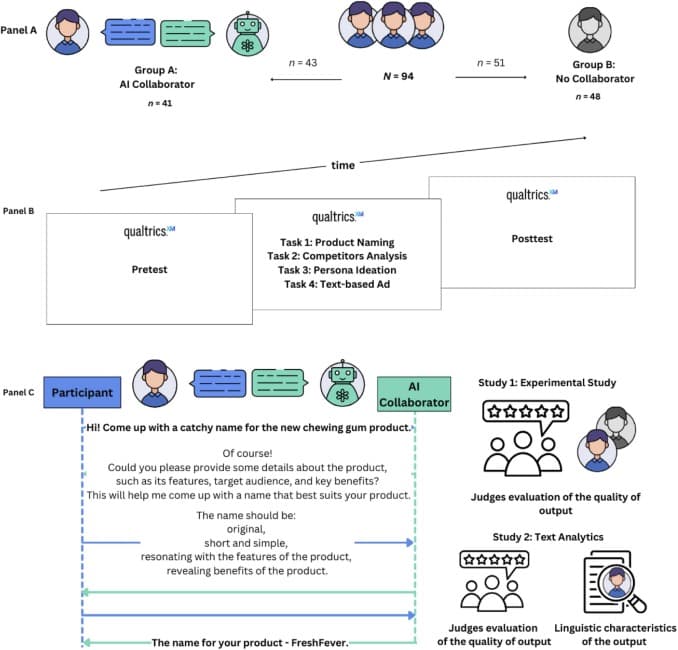
In an AI office environment like Nonilion, MCP servers can be instrumental in fostering human-AI collaboration. They can enable:
- Seamless AI Agent Integration: MCP servers can allow AI agents within Nonilion to access shared project documents, calendars, and communication channels. This integration can empower AI agents to assist with tasks, summarize discussions, and retrieve relevant information, contributing to an integrated workspace.
- Enabling Asynchronous Collaboration: MCP servers can support AI agents that operate in the background, gathering data, preparing reports, or following up on action items. This capability can free up human collaborators to focus on strategic thinking and creative problem-solving, potentially bridging gaps in distributed or asynchronous teams.
- Orchestrating Human + AI Co-working: Within a platform like [this platform](https://this platform.com/), MCP servers can act as a connective element, allowing AI agents and human team members to interact. They can facilitate AI agents participating in meetings (via summaries or data retrieval), managing project updates, and ensuring team alignment, contributing to a co-working environment where human and AI contributions can be harmonized.
C. Bridging the Gap: From Data to Actionable Insights for Teams
MCP servers can translate data access into benefits for teams. AI agents, potentially powered by this infrastructure, could identify project bottlenecks, surface relevant past decisions or knowledge base articles during discussions, and automate repetitive follow-up tasks, thereby supporting project momentum and team efficiency.
05V. The Future is Connected: MCP Servers and the Next Frontier of Productivity
A. Democratizing Sophisticated AI Interactions
MCP servers can make it easier for developers and businesses to build and deploy AI applications that integrate with their operations. This can allow for more sophisticated AI interactions across a range of applications.
B. The Rise of Intelligent Workflows
AI agents, potentially powered by MCP servers, could become valuable collaborators, enhancing efficiency, creativity, and decision-making within organizations, leading to the rise of intelligent workflows.
C. [this platform](https://this platform.com/): The Embodiment of Connected AI Collaboration
[this platform](https://this platform.com/) leverages concepts related to MCP servers to create a workspace where AI agents and human professionals can work together. This involves creating an environment where AI agents can contribute to team coordination, streamline meeting follow-ups, and automate workflows, realizing the potential of human + AI co-working. [this platform](https://this platform.com/) represents a practical application of this connected AI future, demonstrating how MCP servers can enable a more productive and collaborative work environment.
06VI. Conclusion: Building the Future, Together
MCP servers can serve as an underlying architecture that enables AI to interact with our digital world. Their value can be enhanced when they facilitate collaboration between humans and AI agents, driving productivity and innovation. As we continue to build the future of work, understanding and utilizing technologies like MCP servers can be paramount to creating intelligent, efficient, and collaborative environments, embodying the spirit of human + AI co-working.
07Sources and Author
Sources
-
Awesome MCP Servers mcpservers.org
-
What are MCP servers exactly, what market are they ... www.reddit.com/r/AskProgramming/comments/1lp0ncu/what_are_mcp_serve...
-
MCP Servers mcp.so
-
What is the Model Context Protocol (MCP)?
Author
This article on MCP Servers was generated by the Nonilion AI blog workflow using web research inputs and AI-assisted synthesis.