Home/Blog/Kimi-K3 Releases on HuggingFace 7/27: What the Open Frontier Model Means for AI Offices
human + AI workflows
Kimi-K3 Releases on HuggingFace 7/27: What the Open Frontier Model Means for AI Offices
Kimi-K3 Releases on HuggingFace 7/27: What the Open Model Release Could Mean for AI Offices Kimi-K3’s Hugging Face release on 7/27 is a notable model-launch moment. Based on the an
13 MIN READ
27 Jul 2026
human + AI workflows
Kimi-K3 Releases on HuggingFace 7/27: What the Open Model Release Could Mean for AI Offices
Kimi-K3’s Hugging Face release on 7/27 is a notable model-launch moment. Based on the analyzed sources, it brings a large open model with MXFP4 weights into the broader Hugging Face ecosystem and shifts attention toward workflow design, deployment choices, and team operations.
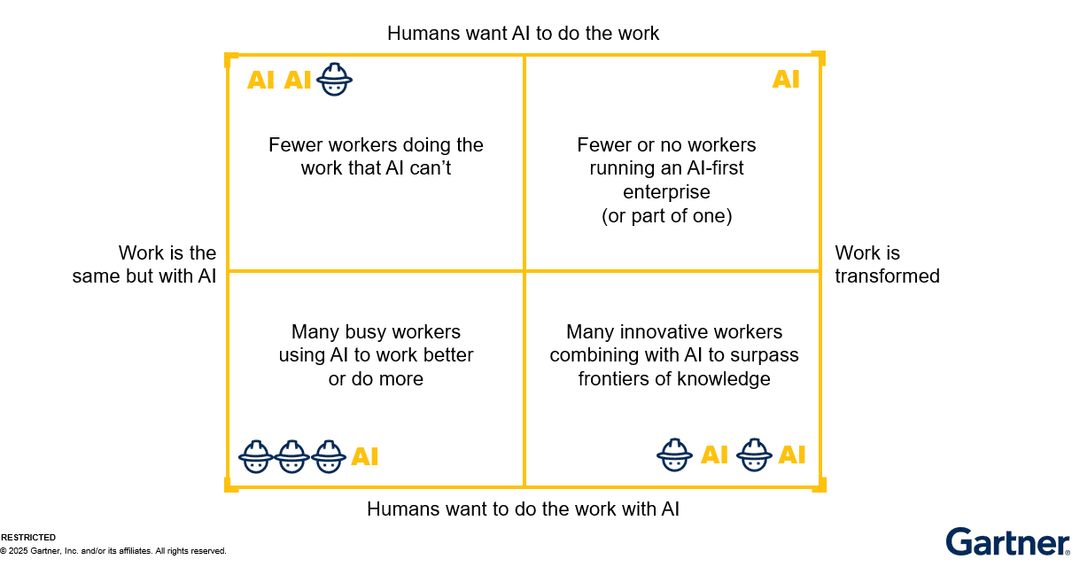
For AI offices like Nonilion, the practical question is how humans and AI agents can share one workspace, hand off tasks cleanly, and decide when a large open model should be used directly versus routed into smaller systems.
01What Kimi-K3 Releases on HuggingFace 7/27 Means at a Glance
Want your team to run this workflow with AI-native execution?
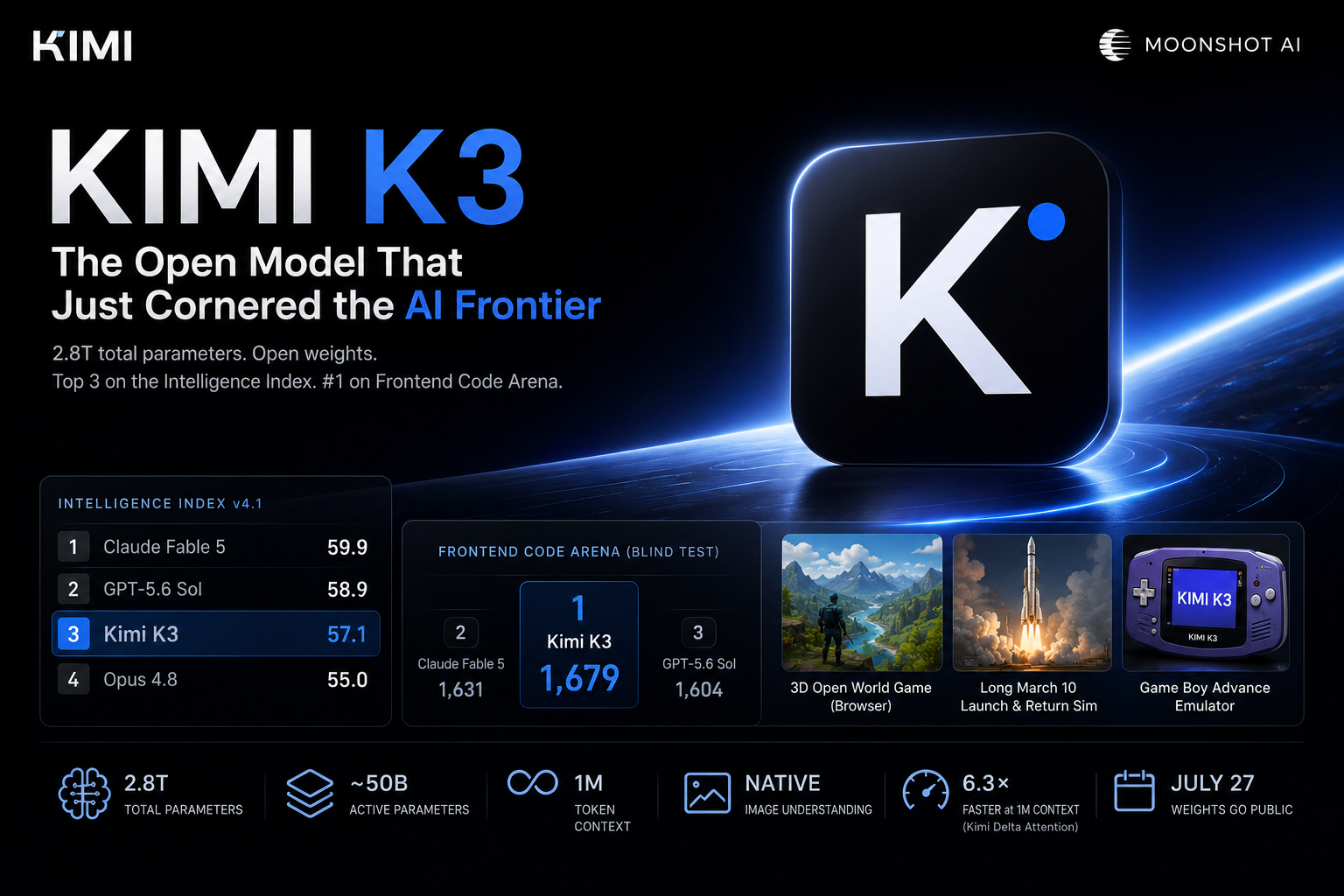
The core signal in Kimi-K3’s Hugging Face release is that the model’s open weights were expected around July 27, and the release has been discussed as a major open-model event. The sources describe Kimi K3 as a 2.8 trillion parameter model.
That scale matters because it changes how teams may think about an open model in practice. It is not just a chatbot artifact; it may be considered for drafting, coding, retrieval, reasoning, and agentic workflows.
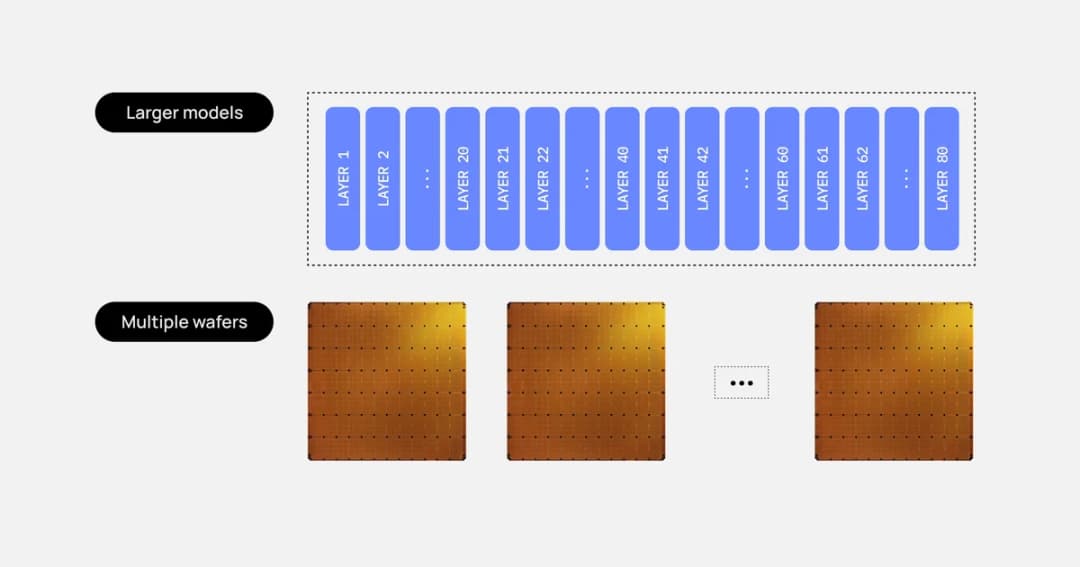
The analyzed sources also point to MXFP4 weights, which suggests a deployment conversation as much as a research conversation. When a model is this large, teams tend to ask:
Can it be served efficiently?
Does it need fine-tuning for specific tasks?
Should it be distilled into smaller models?
Where does it sit in the stack relative to specialized tools?
That is why the July 27 Hugging Face release matters beyond model interest. It gives builders a concrete object to evaluate, route, and operationalize.
02Why the July 27 Hugging Face Release Matters Beyond Model Interest
The sources frame Kimi-K3 as an open model that has drawn attention from the community. One overview notes that Moonshot AI publicly released Kimi K3 on July 16, 2026, with full open-source weights promised by July 27, and that the model is intended for the research and MLOps community.
That timing matters because open weights can change the rules of experimentation. Instead of waiting for closed-model access decisions, teams can inspect, test, and potentially adapt the model for their own workflows.
For AI teams, the operational implications are straightforward:
Evaluation becomes internal, not hypothetical.
Teams can test the model on their own drafting, coding, or knowledge-work tasks.
Routing becomes strategic.
A large model may be used for harder reasoning steps, while smaller models handle routine tasks.
Distillation becomes a possibility.
The Hacker News discussion raises the idea of distillation into smaller models.
Fine-tuning becomes a real question.
The same discussion suggests the model may need fine-tuning, and mentions interest in comparing future training rounds against prior Kimi fine-tunes.
This is where the topic becomes relevant to AI offices. A shared workspace is not just about access to a powerful model; it is about deciding how that model participates in human + AI collaboration without creating unnecessary cost or complexity.
03Kimi-K3’s Scale, MXFP4 Weights, and What Open Models Change Operationally
The source material repeatedly emphasizes scale, architecture, and quantization. Kimi K3 is described as a 2.8 trillion parameter model, and the overview highlights MXFP4 quantization, MXFP8 activations, and architectural ideas such as Kimi Delta Attention, Attention Residuals, and Stable LatentMoE.
For operators, these details are not trivia. They suggest that the model is being discussed as a serious deployment target, not just a benchmark trophy.
What changes operationally
Memory and serving become first-class concerns.
Large open models require teams to think carefully about infrastructure.
Context handling matters.
The documentation index mentions 1M context and automatic caching, which reinforces the importance of long-context workflows.
Task fit matters.
The model’s capabilities are being discussed in relation to coding, knowledge work, and tool workflows.
Benchmark interpretation matters.
The overview notes benchmark results and known limitations, which means teams should evaluate performance in context rather than assume universal superiority.
The main strategic shift is this: open frontier models are no longer only research objects. They can be treated as shared workers in an AI office stack. That means the question is not “Can we use Kimi-K3?” It is “Where does Kimi-K3 create leverage without overwhelming the rest of the system?”
04Where Kimi-K3 Fits in the AI Stack: Direct Use, Routing, Fine-Tuning, or Distillation
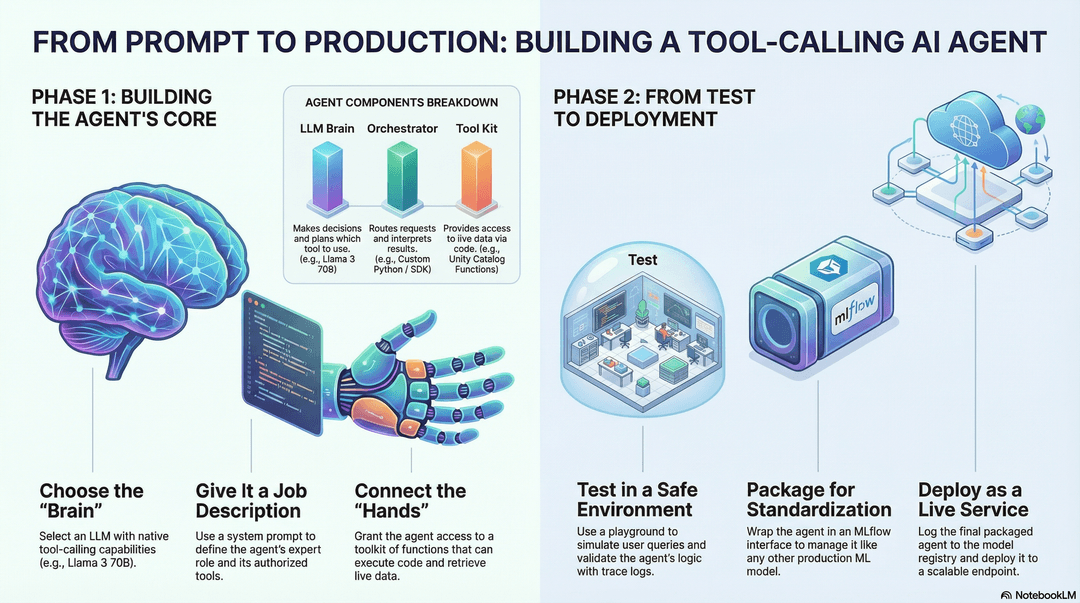
Based on the analyzed sources, Kimi-K3 can be understood as a model that may serve several roles in an AI stack. The right role depends on the workflow, the team’s infrastructure, and the tolerance for latency and cost.
1. Direct use for high-value tasks
Direct use makes sense when the task benefits from a large model’s breadth. The sources connect Kimi K3 to coding and knowledge work, and the community discussion mentions cybersec benchmarks and comparisons with other models.
2. Routing for selective escalation
A practical AI office does not send every request to the largest model. Instead, it routes routine tasks to smaller models and escalates only the difficult cases. That pattern fits a shared workspace where agents and humans collaborate across different levels of complexity.
3. Fine-tuning for domain-specific performance
The Hacker News summary explicitly raises the possibility that some fine-tuning may be needed. For teams with specialized workflows, that makes Kimi-K3 a candidate for adaptation rather than a one-size-fits-all endpoint.
4. Distillation into smaller models
The same discussion points to proper distillation into smaller models, with the idea that a cheaper-to-serve distilled variant could be useful. This is particularly relevant for AI offices that need scale without making every interaction expensive.
A practical decision rule
Use Kimi-K3 directly when:
the task is complex,
the output quality matters more than speed,
or the workflow benefits from a large model’s reasoning range.
Use smaller specialized models when:
the task is repetitive,
latency is critical,
or the workflow can be standardized.
This stack-based thinking is one way Nonilion-style collaboration becomes practical: one shared workspace, multiple model roles, and humans stepping in where judgment is required.
05How Teams Should Evaluate Kimi-K3 for Drafting, Coding, Retrieval, and Multi-Step Agents
The sources point to Kimi K3’s relevance for coding, knowledge work, and agentic use cases. That makes evaluation less about a single benchmark and more about workflow fit.
A simple evaluation framework
Drafting quality
Can the model produce useful first drafts?
Does it reduce editing time?
Coding support
Does it help with code generation or code-related reasoning?
How well does it compare in the team’s own environment?
Retrieval and knowledge work
Can it synthesize information from long contexts?
Does the 1M context and caching discussion translate into practical value?
Multi-step agent behavior
Can it support tool use and partial workflows?
Does it stay coherent across steps?
Operational fit
Can the team serve it reliably?
Is the cost acceptable for the intended use?
What to watch for in practice
The sources suggest that Kimi-K3 is being evaluated in relation to frontier closed models and prior Kimi fine-tunes. That means teams should avoid evaluating it in isolation. Compare it against the models already used in your stack, then test it on real work.
For an AI office, this is especially important because the model is not replacing collaboration; it is joining it. In a workspace like Nonilion, a model might draft meeting prep, another agent might pull supporting context, and a human might review the output before the next async handoff.
06What This Means for AI Offices Like Nonilion: Shared Workspaces, Agent Orchestration, and Human Handoffs
This is where the topic becomes operationally meaningful. A large open model like Kimi-K3 can give teams another shared worker to orchestrate.
In a collaborative environment like this platform, that can look like:
Meeting prep drafted by an agent, reviewed by a human.
Async follow-ups generated after a discussion.
Tool-driven execution delegated to an AI agent, with human approval before action.
Routing between a large model and smaller specialists depending on task complexity.
The key tension is coordination. Large models can be powerful, but AI offices need predictable handoffs, not just impressive outputs. That is why the future of work is not “one model does everything.” It is a coordinated workspace where humans and AI agents share responsibility.
Kimi-K3 fits that future because the sources position it as both a large model and an open-weight object for experimentation. That combination is what makes it useful in an AI office: it can be tested, wrapped, routed, and potentially distilled into workflows that support real team operations.
07How to Test Kimi-K3 Without Overcommitting Infrastructure
The analyzed sources repeatedly hint at deployment implications, MLOps considerations, and the importance of serving efficiency. So the safest adoption path is incremental.
A low-risk testing sequence
Start with one workflow.
Pick a drafting, coding, or knowledge-work task.
Compare against current models.
Use the same prompt or task structure.
Measure human review burden.
Track how much editing or correction is still needed.
Test tool workflows carefully.
The documentation index mentions custom tools, tool choice, dynamic tool loading, and official tools.
Evaluate cost and latency.
Large open models can be valuable, but only if the serving pattern is sustainable.
Decide whether to keep, route, fine-tune, or distill.
That decision should come from workflow data, not hype.
This approach is especially useful for AI offices because it preserves collaboration. Humans remain in the loop, agents can execute bounded tasks, and the model becomes part of a shared operating system instead of a standalone experiment.
08When to Use Kimi-K3 Directly Versus Smaller Specialized Models
The sources do not give a universal answer, but they do give the ingredients for a practical decision.
Use Kimi-K3 directly when the task is:
complex,
multi-step,
context-heavy,
or likely to benefit from broad reasoning.
Use a smaller specialized model when the task is:
repetitive,
narrow,
latency-sensitive,
or easy to standardize.
A useful rule for AI offices is to reserve large models for moments when judgment, synthesis, or long-context reasoning creates real value. Everything else can often be handled more efficiently by smaller systems.
That is the logic behind a mature AI workspace: not every task needs the biggest model, but the biggest model should be available when the workflow truly needs it.
09Governance, Latency, Memory, and Cost Questions Teams Should Ask
Before adopting Kimi-K3, teams should ask operational questions grounded in the source material’s MLOps and deployment emphasis.
Governance
Who can access the model?
Which tasks require human approval?
What outputs need review before action?
Latency
Is the model fast enough for the workflow?
Does long-context use slow the system down?
Memory and context
Does the 1M context and caching discussion align with the team’s actual needs?
Are long conversations or documents central to the workflow?
Cost
Is direct use affordable for routine work?
Would routing or distillation create a better balance?
These questions matter because an AI office is not just a model benchmark environment. It is a collaborative operating model where humans, agents, and systems need to stay aligned.
10Conclusion: Open Models as Shared Workers in the Future of AI Offices
Kimi-K3’s Hugging Face release on 7/27 is important because it turns a large open model into a practical planning problem. Based on the analyzed sources, Kimi K3 brings scale, open weights, MXFP4 quantization, and strong interest from the research and MLOps community into the same conversation.
The strategic takeaway is not that every team should rush to use it everywhere. The real lesson is that open models are becoming shared workers inside AI offices: useful for drafting, coding, retrieval, multi-step agents, and selective escalation, but best deployed with routing, governance, and human oversight.
For this platform, that is the core opportunity. A workspace built for human + AI collaboration can use a model like Kimi-K3 to support meeting prep, async follow-ups, and agent execution while keeping people in control of the handoffs that matter.
This trend matters to Nonilion because it points to a bigger change: teams are moving from simple calls toward persistent, AI-supported collaboration spaces. Nonilion can bridge live presence, meeting context, avatars, and follow-up work so the trend becomes a usable workflow instead of a headline.
12Shareable Extracts
The trend is not just "Kimi-K3 Releases on HuggingFace 7/27: What the Open Frontier Model Means for AI Offices" - it is a signal that team coordination is becoming the next competitive edge.
Hot take: the teams that win from this shift will not be the ones with more meetings; they will be the ones with clearer shared context after every meeting.
If kimi-k3 releases on huggingface 7/27: what the open frontier model means for ai offices keeps moving this fast, remote teams need a workspace where conversation, presence, and follow-up stay connected.
Kimi-K3 Releases on HuggingFace 7/27: What the Open Model Release Could Mean for AI Offices Kimi-K3’s Hugging Face release on 7/27 is a notable model-launch moment.
Based on the analyzed sources, it brings a large open model with MXFP4 weights into the broader Hugging Face ecosystem and shifts attention toward workflow design, deployment choices, and team operations.
13Social Hooks
Everyone is talking about Kimi-K3 Releases on HuggingFace 7/27: What the Open Frontier Model Means for AI Offices. The overlooked part is what happens to team workflows after the headline fades.
The uncomfortable question behind Kimi-K3 Releases on HuggingFace 7/27: What the Open Frontier Model Means for AI Offices: are teams adapting their collaboration systems fast enough?
This is not a meeting trend. It is a coordination trend, and products like Nonilion sit right in the middle of that shift.
This article on Kimi-K3 Releases on HuggingFace 7/27 was generated by the Nonilion AI blog workflow using web research inputs and AI-assisted synthesis.