Home/Blog/GrapheneOS in 2027: Elevating Security on High-End Motorola Phones for the AI-Powered Enterprise
human + AI workflows
GrapheneOS in 2027: Elevating Security on High-End Motorola Phones for the AI-Powered Enterprise
GrapheneOS in 2027: Elevating Security on High-End Motorola Phones for the AI-Powered Enterprise The landscape of mobile operating systems is on the cusp of a significant transform
9 MIN READ
19 Aug 2026
human + AI workflows
GrapheneOS in 2027: Elevating Security on High-End Motorola Phones for the AI-Powered Enterprise
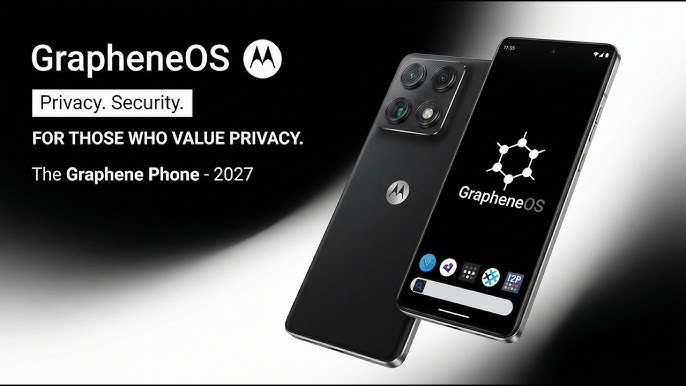
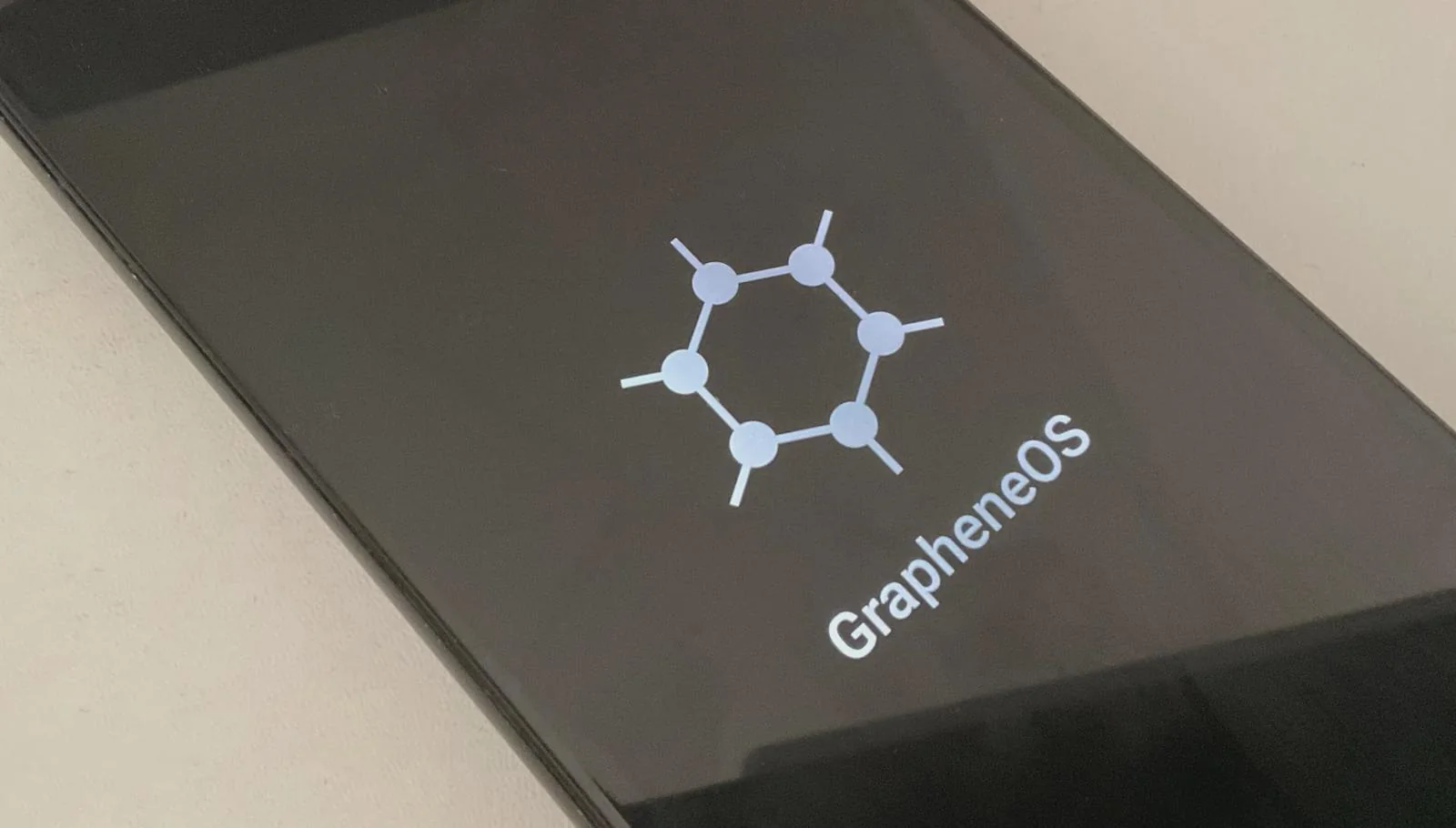
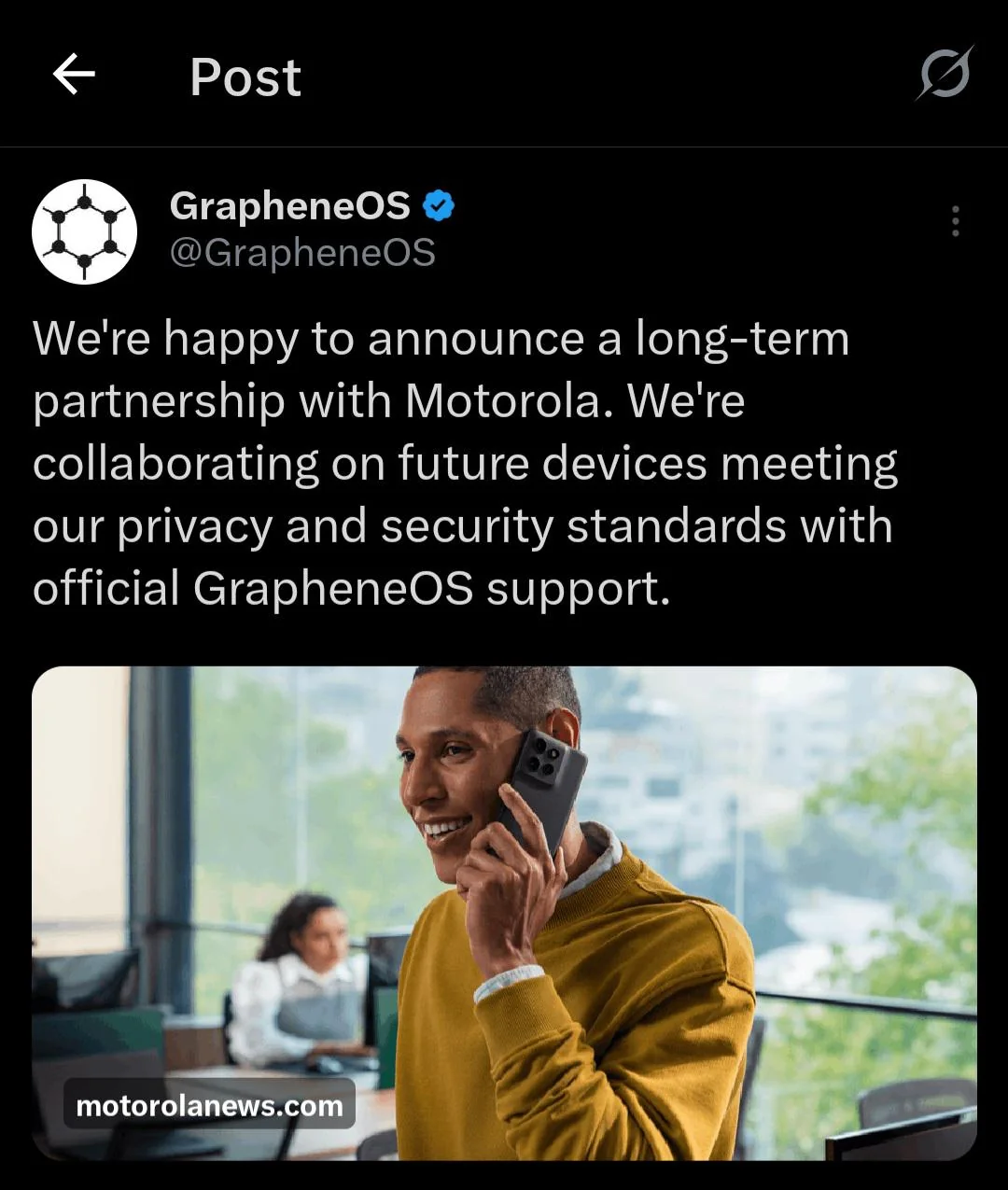
The landscape of mobile operating systems is on the cusp of a significant transformation, particularly for those prioritizing security and privacy. A landmark partnership between Motorola and the GrapheneOS Foundation, announced at Mobile World Congress in early March 2026, is set to redefine expectations. Starting in 2027, high-end Motorola phones will officially support GrapheneOS, offering a hardened, open-source alternative to traditional Android. This strategic move not only expands options for privacy-focused users but also holds profound implications for the secure, collaborative environments of AI offices, where platforms like Nonilion facilitate seamless human and AI agent interaction, demanding robust endpoint security.
01The Strategic Shift: Motorola Embraces GrapheneOS for Enhanced Security
Motorola, a Lenovo company, is making a pivotal shift in its product strategy, moving away from its traditional focus on a standard Android experience heavily integrated with Google services. The company's 2026 partnership with the GrapheneOS Foundation signals a clear intent to prioritize privacy and security, a move that will culminate in official GrapheneOS support for its 2027 flagships. This collaboration means that, for the first time, a major smartphone vendor will ship handsets with an alternative open-source operating system preinstalled, marking a significant milestone in the mobile industry.
Want your team to run this workflow with AI-native execution?
The initial rollout in 2027 is slated for high-end flagship devices, including models like the Signature and Razr series. Discussions indicate that around three supported flagships are expected as a starting point, encompassing regular, flip, and fold variants. This commitment extends GrapheneOS support beyond Google Pixel hardware, which has historically been the primary focus for the privacy-centric OS. The partnership also suggests a long-term commitment, with plans for support for lower-end devices to follow, requiring ongoing updates and security enhancements.
This development is particularly exciting because GrapheneOS is an open-source Android-based operating system renowned for its strong emphasis on user privacy and security. It directly addresses key vulnerabilities within the mobile ecosystem by strengthening fundamental security mechanisms, such as the app sandbox. Unlike proprietary operating systems, GrapheneOS's open-source model allows users and developers to review its publicly available code, enabling greater transparency, customization, and rapid assessment of potential vulnerabilities. This transparency builds trust and offers a level of control that is increasingly sought after in an era of heightened digital concerns.
02Why GrapheneOS on Motorola Matters: A New Paradigm for Privacy and Open Source
The availability of GrapheneOS on Motorola flagships could provide the operating system with its first truly widespread platform, moving beyond the niche appeal it has had on Google Pixel devices. The big selling points of Motorola's GrapheneOS phones are undoubtedly security and privacy, offering a compelling alternative for users who are wary of the control exercised by major corporations over standard Android and iOS platforms. This initiative by Motorola is poised to be a significant win for both privacy advocates and the open-source community.
One of the critical advantages of GrapheneOS is its ability to run most Google Play apps, mitigating concerns about app compatibility that often plague alternative operating systems. This means users can benefit from enhanced security and privacy without sacrificing access to their essential applications. The operating system's design focuses on hardening Android, providing a more secure foundation that goes beyond typical stock Android implementations. It offers OS-level protections that are designed to make mobile devices more resilient against sophisticated threats.
For enterprises, especially those navigating the complexities of AI integration, the security and privacy enhancements offered by GrapheneOS are invaluable. The strengthened app sandbox and transparent code base mean a reduced attack surface and greater assurance of data integrity. In a world where mobile devices are increasingly becoming primary computing tools, capable of replacing laptops for many tasks, the robust security of GrapheneOS on high-performance Motorola phones provides a critical layer of defense. This move by Motorola could set a new standard for enterprise-grade mobile security, offering devices that are not just powerful but inherently more trustworthy.
03The Technical Edge: How Motorola Flagships Will Leverage GrapheneOS
The integration of GrapheneOS onto Motorola's 2027 flagships is not merely a software overlay; it's a deep technical collaboration enabled by advancements in hardware. The official support is facilitated by innovations such as Qualcomm's memory tagging and secure element advances, which provide a more robust hardware foundation for GrapheneOS's enhanced security features. These underlying hardware improvements are crucial, as GrapheneOS's long-term support for a phone is inherently tied to the manufacturer's commitment to updates and security patches.
Motorola's commitment to a long-term partnership with the GrapheneOS Foundation is therefore vital. This ensures that the high-end devices released in 2027 and later will receive sustained support, including critical security updates. The expectation is that users can anticipate at least five years of updates, a significant period for mobile device longevity and security. This sustained support is a key differentiator for GrapheneOS, as it ensures the integrity and security of the operating system throughout the device's lifecycle.
These upcoming Motorola phones are envisioned as powerful tools, with the potential to replace traditional laptops for a wide range of tasks, reflecting their high performance and utility. This capability, combined with the stringent security of GrapheneOS, positions them as ideal devices for demanding professional environments. The initial focus on flagship models, including the Signature and Razr series, suggests that Motorola is targeting users who require both cutting-edge performance and uncompromising security. While support for lower-end devices is planned, the immediate emphasis is on providing a premium, secure mobile experience on their top-tier hardware.
04GrapheneOS in the AI Office: Securing Human + AI Collaboration
The advent of GrapheneOS on high-end Motorola phones has profound implications for the future of AI offices and the evolving dynamics of human + AI collaboration. As AI agents become integral parts of daily workflows, accessing sensitive data and executing complex tasks, the security of every endpoint device becomes paramount. Mobile phones, often the primary interface for professionals on the go, represent a critical vulnerability if not adequately secured.
In a virtual AI office environment like Nonilion, where human teams and AI agents co-exist and collaborate asynchronously, the integrity of communication and data transfer is non-negotiable. Nonilion's focus on secure asynchronous execution, workflow automation, and seamless team coordination relies on every participant's device maintaining the highest security standards. A GrapheneOS-powered Motorola phone provides that necessary layer of trust, ensuring that interactions with AI agents, access to confidential project data, and participation in virtual meetings are protected from sophisticated cyber threats.
Consider an AI agent in Nonilion tasked with summarizing sensitive meeting notes or analyzing proprietary market data. If a human collaborator accesses this information via an insecure mobile device, the entire chain of trust can be compromised. GrapheneOS's hardened security features, including its strengthened app sandbox and robust privacy controls, provide a secure conduit for these interactions. This allows for greater confidence in the security of data exchanged within the Nonilion workspace, fostering an environment where human ingenuity and AI efficiency can flourish without undue risk. Furthermore, the partnership with privacy-first mobile carriers like Cape (as mentioned in competitor data) signifies a holistic approach to mobile security, extending protection beyond the device OS to the network level, which is critical for safeguarding AI-driven enterprises.
05Strategic Implications and Future Outlook: Where This Partnership Leads
Motorola's partnership with GrapheneOS is a significant disruptor in the mobile ecosystem, expanding hardened Android options for privacy-focused users and enterprises beyond the traditional confines of Google Pixel hardware. This move signals a growing demand for mobile devices that prioritize user control and data privacy, challenging the status quo dominated by a few major players. The availability of GrapheneOS on a widely recognized brand like Motorola could accelerate the adoption of alternative, privacy-centric operating systems.
This strategic alliance also addresses broader concerns, including those related to
06Why This Trend Matters for Nonilion
This trend matters to Nonilion because it points to a bigger change: teams are moving from simple calls toward persistent, AI-supported collaboration spaces. Nonilion can bridge live presence, meeting context, avatars, and follow-up work so the trend becomes a usable workflow instead of a headline.
07Shareable Extracts
The trend is not just "GrapheneOS in 2027: Elevating Security on High-End Motorola Phones for the AI-Powered Enterprise" - it is a signal that team coordination is becoming the next competitive edge.
Hot take: the teams that win from this shift will not be the ones with more meetings; they will be the ones with clearer shared context after every meeting.
If grapheneos in 2027: elevating security on high-end motorola phones for the ai-powered enterprise keeps moving this fast, remote teams need a workspace where conversation, presence, and follow-up stay connected.
A landmark partnership between Motorola and the GrapheneOS Foundation, announced at Mobile World Congress in early March 2026, is set to redefine expectations.
Starting in 2027, high-end Motorola phones will officially support GrapheneOS, offering a hardened, open-source alternative to traditional Android.
08Social Hooks
Everyone is talking about GrapheneOS in 2027: Elevating Security on High-End Motorola Phones for the AI-Powered Enterprise. The overlooked part is what happens to team workflows after the headline fades.
The uncomfortable question behind GrapheneOS in 2027: Elevating Security on High-End Motorola Phones for the AI-Powered Enterprise: are teams adapting their collaboration systems fast enough?
This is not a meeting trend. It is a coordination trend, and products like Nonilion sit right in the middle of that shift.
This article on GrapheneOS in 2027 available on high-end Motorola phones was generated by the Nonilion AI blog workflow using web research inputs and AI-assisted synthesis.