

human + AI workflows
Beyond the Code – Unlocking True AI Agent Potential
Beyond the Code – Unlocking AI Agent Potential In the rapidly evolving landscape of artificial intelligence, the conversation around AI is evolving. We're seeing a shift from simpl
Beyond the Code – Unlocking AI Agent Potential
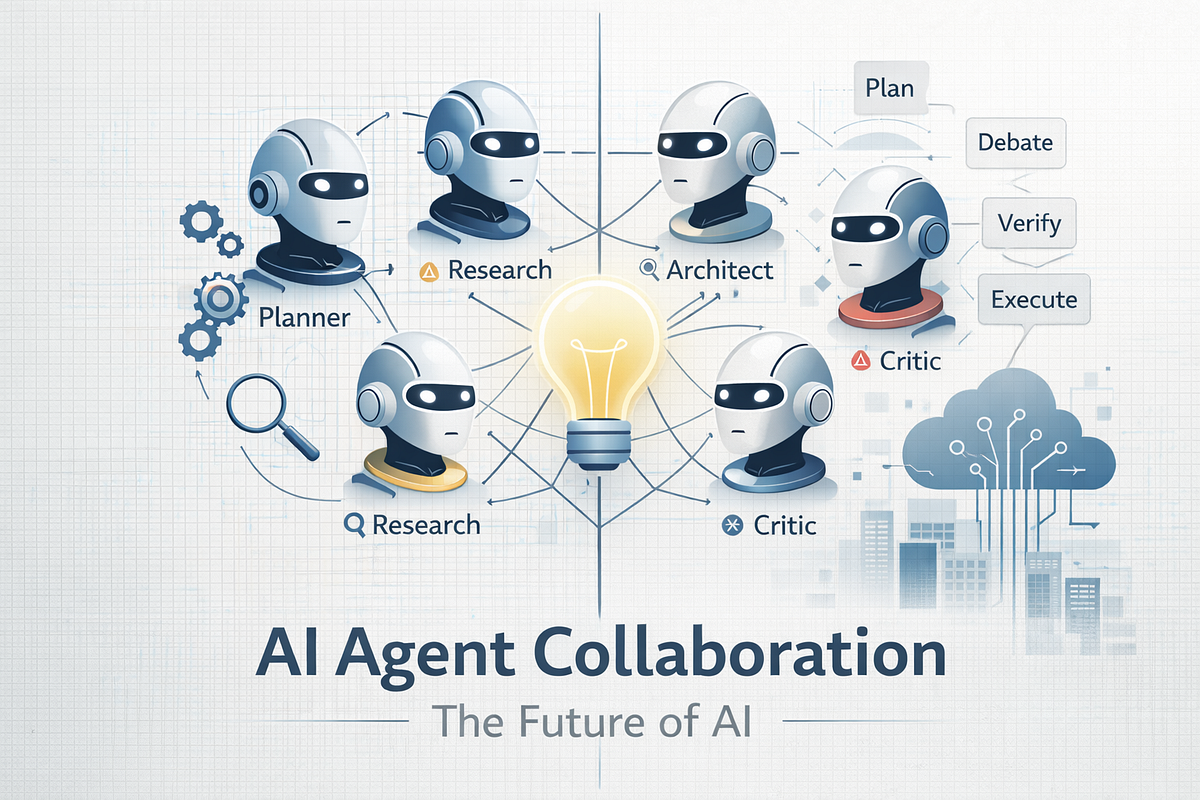
In the rapidly evolving landscape of artificial intelligence, the conversation around AI is evolving. We're seeing a shift from simple automation, where AI performs predefined tasks, towards a more profound integration of AI agents that can potentially augment human capabilities. At the heart of this transformation lies the concept of agent skills – the specialized knowledge and workflows that can help AI agents become more capable, collaborative partners in our daily work. This isn't just about giving an AI instructions; it's about equipping it with the expertise that can help it understand context, execute complex tasks, and contribute to a shared workspace, much like the intelligent environments Nonilion envisions.
01The Evolving Landscape of AI in the Workplace
The modern workplace is increasingly complex, demanding agility, domain-specific expertise, and seamless collaboration. Early AI applications offered glimpses of efficiency through automation, but sometimes faced limitations in handling nuanced, multi-step processes or adapting to dynamic situations. The next frontier may involve AI agents that can not only understand but also perform with a level of specialization. This evolution highlights the importance of well-defined agent skills.
Want your team to run this workflow with AI-native execution?
Defining Agent Skills: More Than Just Instructions
So, what exactly are agent skills? At their core, agent skills are modular capabilities that extend an AI agent's functionality with specialized knowledge and workflows. They are lightweight, open formats designed to enhance AI agent capabilities [1, 2]. Unlike a simple prompt—a one-off instruction for a single task—a skill can encapsulate procedures and often access to specific resources, potentially allowing an agent to perform complex, domain-specific operations [2, 3, 4].
Deconstructing Agent Skills: What Can Help Make an AI Agent More Capable?
To appreciate the utility of agent skills, it's essential to understand their composition and how they differ from other AI concepts.
The Anatomy of a Skill: Components and Modularity
An agent skill typically comprises several key components:
- Instructions: Detailed guidance on how to perform a specific task or workflow.
- Metadata: Information about the skill, such as its purpose, inputs, outputs, and dependencies.
- Resources: Optional elements like scripts, templates, or data sources that the agent can leverage to execute the skill [2, 3, 4].
This modular design allows skills to be developed, reused, and combined, which can contribute to an ecosystem of specialized capabilities.
Skills vs. Prompts vs. Plugins: Clarifying the Nuance
While often used interchangeably, it's crucial to distinguish between these concepts:
- Prompts: These are conversation-level instructions for one-off tasks [2]. They guide the AI for a single interaction but don't inherently equip it with reusable, deep expertise.
- Agent Skills: These are reusable workflows and domain-specific expertise that load on-demand, potentially eliminating the need to repeatedly provide the same guidance across multiple conversations [2, 4]. They can empower agents to act as specialists.
- Plugins: These are often the installable distribution units for reusable skills and applications [4]. A plugin might contain one or more skills, making them discoverable and deployable within an AI environment.
The Value Proposition: Specialization and Scalability
Agent skills can help imbue AI agents with specialization and enable scalable operations. By packaging capabilities into discrete skills, agents may become proficient in specific domains, from data analysis to legal research. This specialization can lead to more accurate, reliable, and efficient execution of tasks, potentially transforming general-purpose agents into targeted problem-solvers. This can also mean organizations may scale their AI capabilities by simply adding or refining skills, rather than rebuilding entire AI models.
02From Automation to Augmentation: Why Agent Skills are Important for Human + AI Collaboration
The potential of agent skills extends beyond mere task automation; they can augment human capabilities and foster collaboration between humans and AI.
Elevating Human Productivity Through Specialized AI
Skilled AI agents can take on complex, time-consuming tasks that require specific knowledge, freeing human teams to focus on strategic thinking, creativity, and interpersonal interactions. Imagine an agent with a "Market Research Skill" that could autonomously gather and synthesize industry trends, presenting humans with actionable insights rather than raw data.
Enhancing Decision-Making with Domain-Specific Intelligence
By leveraging skills that incorporate domain-specific information, AI agents can provide targeted insights and analysis that enrich human decision-making. Whether it's a "Financial Forecasting Skill" or a "Customer Sentiment Analysis Skill," these capabilities can help enable more informed and data-driven choices.
Bridging Knowledge Gaps and Supporting Consistency
Agent skills can serve as repositories of best practices and institutional knowledge. They can help ensure that tasks are performed consistently, adhering to predefined standards and leveraging collective expertise. This helps bridge knowledge gaps within teams and supports a high level of quality across operations.
03The Intelligent AI Office: Orchestrating Skilled Agents for Streamlined Workflows
The vision of an intelligent AI office may involve the orchestration of skilled agents. This is where platforms like Nonilion come into play, creating a shared virtual workspace where collaborative AI agents can work alongside humans to streamline operations and enhance productivity. Nonilion's approach integrates these specialized skills into a cohesive environment, enabling agents to contribute to complex workflows and interact with human colleagues.
Nonilion's Vision: A Shared Virtual Workspace Powered by Collaborative AI Agents
Nonilion aims to build a virtual workspace where AI agents can be active, contributing members of the team. By providing a framework for developing, deploying, and managing agent skills, Nonilion empowers organizations to create a dynamic environment where AI agents may autonomously perform tasks, share information, and facilitate human collaboration. This shared space aims to allow for enhanced levels of team coordination, with the goal that tasks, from meeting follow-ups to complex project management, could benefit from the combined efforts of both human and artificial minds.
Practical Applications: Agent Skills in Action within the AI Office
Within an intelligent AI office, agent skills translate into tangible benefits across various daily operations:
Intelligent Meeting Summaries and Action Item Extraction
An agent equipped with a "Meeting Transcription Skill" and a "Summary & Action Item Extraction Skill" can attend virtual meetings, process discussions, identify key decisions, and potentially generate concise summaries and assignable action items, distributing them to relevant team members.
Proactive Project Updates and Cross-Functional Coordination
Agents with "Project Monitoring Skills" can track progress across different tools, identify potential bottlenecks, and proactively generate status updates or flag issues. A "Cross-Functional Coordination Skill" can then facilitate communication between teams, suggesting optimal hand-offs or alerting stakeholders to interdependencies.
Automated Information Retrieval and Knowledge Synthesis
Imagine an agent with a "Knowledge Base Search Skill" and a "Content Synthesis Skill." It could quickly retrieve relevant information from internal documents or external sources, synthesize complex data, and present it in an easily digestible format, potentially saving hours of manual research.
Async Execution and Workflow Hand-offs
this platform facilitates scenarios where agents may autonomously execute multi-step workflows, such as a "Client Onboarding Skill" that manages document collection, system setup, and initial communication. Agents can then hand off tasks or information to other agents or human colleagues, aiming for smooth async execution and workflow automation within the this platform platform. This can help minimize delays and support continuity in complex processes.
The Synergy of Human Oversight and Agent Autonomy
While agent skills can enable a degree of autonomy, an intelligent AI office may benefit from the synergy between human oversight and agent capabilities. Humans define the strategic goals, provide feedback, and intervene when necessary, while skilled agents can assist with execution. This collaborative model aims to ensure that AI agents are aligned with human intent and organizational objectives.
04Building a Skill-Rich Environment: Strategic Considerations for Businesses
Embracing agent skills requires a strategic approach to integrate AI into core business processes effectively.
Identifying Key Areas for Agent Skill Development
Businesses should begin by identifying repetitive, data-intensive, or knowledge-dependent tasks that could benefit most from agent specialization. Areas like customer support, data analysis, content generation, and project management are often prime candidates for initial skill development.
Fostering a Culture of Human-AI Co-Creation
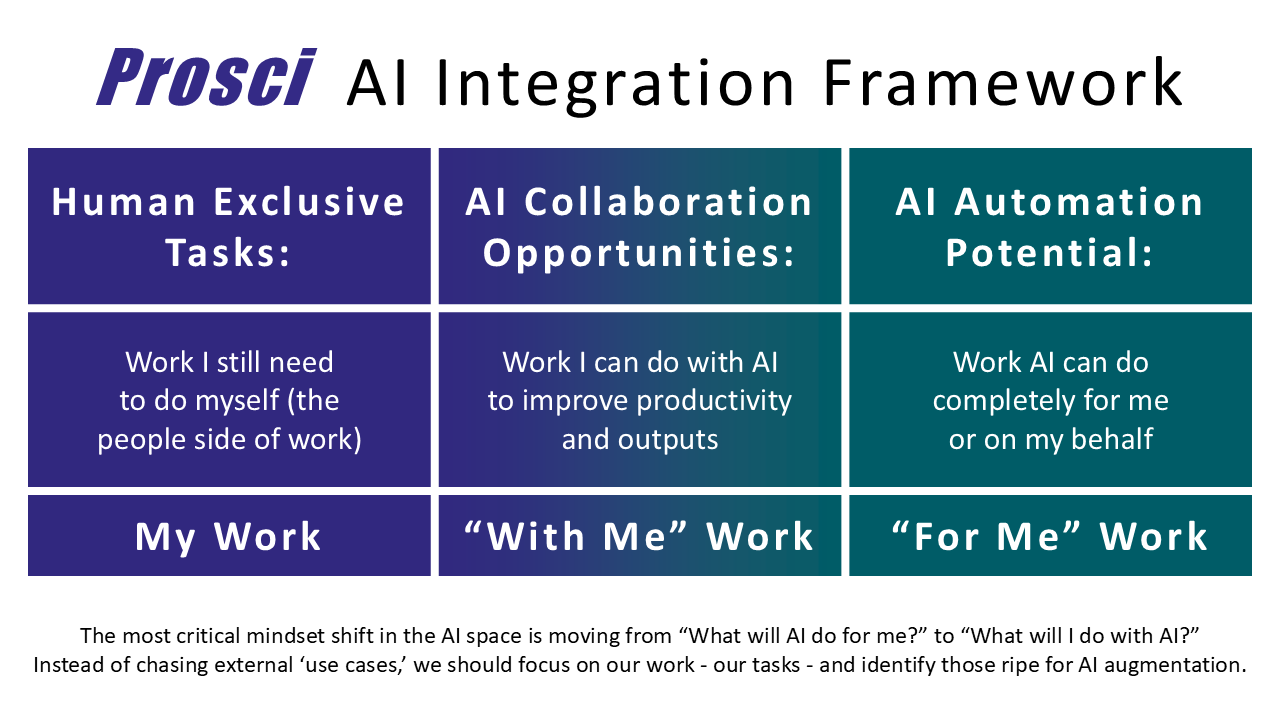
Successful integration of skilled agents may involve a cultural shift. Organizations must encourage employees to view AI agents as collaborators, not replacements. Training, clear communication, and opportunities for co-creation—where humans help define and refine agent skills—can be vital.
Measuring the Impact of Skilled Agents on Business Outcomes
To assess value, businesses can establish clear metrics for measuring the impact of skilled agents. This could include improvements in efficiency, accuracy, cost reduction, employee satisfaction, or faster time-to-market for products and services.
05The Future is Collaborative: this platform and the Next Generation of AI-Powered Workspaces
The future of work is likely to be collaborative, with AI agents potentially playing an increasingly central role. this platform is committed to contributing to this future by providing an environment that supports human + AI co-working.
Adaptive Intelligence: Agents Learning and Evolving
As agent skill frameworks mature, we may see agents that not only execute predefined skills but also adapt and evolve them based on performance data and human feedback. This adaptive intelligence could make agents even more valuable over time.
The Democratization of AI Expertise
Agent skills can help democratize access to advanced AI capabilities. By packaging complex AI functions into user-friendly skills, organizations can empower a broader range of employees to leverage AI without needing deep technical expertise.
this platform's Role in Shaping the Human-AI Co-Working Paradigm
this platform aims to be a key contributor to this transformation, providing a virtual office where humans and AI agents can co-exist and co-create. By offering a platform for developing, managing, and orchestrating agent skills, this platform aims to contribute to the human-AI co-working paradigm, potentially enabling businesses to enhance productivity, innovation, and collaboration.
06Conclusion: Mastering Agent Skills for a Smarter, More Collaborative Future
Agent skills represent a significant advancement in AI, pointing towards a future of human-AI collaboration. By defining, developing, and strategically deploying these specialized capabilities, businesses can empower their AI agents to become valuable partners, augmenting human potential and supporting organizational success. Platforms like this platform can play a role in realizing this vision, providing a workspace where these skilled agents can operate, potentially contributing to a smarter, more efficient, and collaborative future of work.
07Why This Trend Matters for Nonilion
This trend matters to Nonilion because it points to a bigger change: teams are moving from simple calls toward persistent, AI-supported collaboration spaces. Nonilion can bridge live presence, meeting context, avatars, and follow-up work so the trend becomes a usable workflow instead of a headline.
08Shareable Extracts
- The trend is not just "Beyond the Code – Unlocking True AI Agent Potential" - it is a signal that team coordination is becoming the next competitive edge.
- Hot take: the teams that win from this shift will not be the ones with more meetings; they will be the ones with clearer shared context after every meeting.
- If beyond the code – unlocking true ai agent potential keeps moving this fast, remote teams need a workspace where conversation, presence, and follow-up stay connected.
- Beyond the Code – Unlocking AI Agent Potential In the rapidly evolving landscape of artificial intelligence, the conversation around AI is evolving.
- We're seeing a shift from simple automation, where AI performs predefined tasks, towards a more profound integration of AI agents that can potentially augment human capabilities.
09Social Hooks
- Everyone is talking about Beyond the Code – Unlocking True AI Agent Potential. The overlooked part is what happens to team workflows after the headline fades.
- The uncomfortable question behind Beyond the Code – Unlocking True AI Agent Potential: are teams adapting their collaboration systems fast enough?
- This is not a meeting trend. It is a coordination trend, and products like Nonilion sit right in the middle of that shift.
10Sources and Author
Sources
-
Agent Skills Overview - Agent Skills agentskills.io/home
-
Agent Skills - Claude API Docs platform.claude.com/docs/en/agents-and-tools/agent-skills/overview
-
Agent Skills learn.microsoft.com/en-us/agent-framework/agents/skills
-
Agent Skills – Codex
Author
This article on agent-skills was generated by the Nonilion AI blog workflow using web research inputs and AI-assisted synthesis.