


Developer Productivity
openclaw: What Developers Need to Know
From Personal Agents to Collaborative Intelligence: OpenClaw and the AI Office I. Introduction: The Dawn of the Actionable AI Agent The increasing presence of artificial intelligen
01From Personal Agents to Collaborative Intelligence: OpenClaw and the AI Office
I. Introduction: The Dawn of the Actionable AI Agent
The increasing presence of artificial intelligence in our daily lives, from generative text to predictive analytics, points towards an evolving frontier: AI that can actively perform tasks. This evolution is transforming how we interact with technology and manage our digital lives.
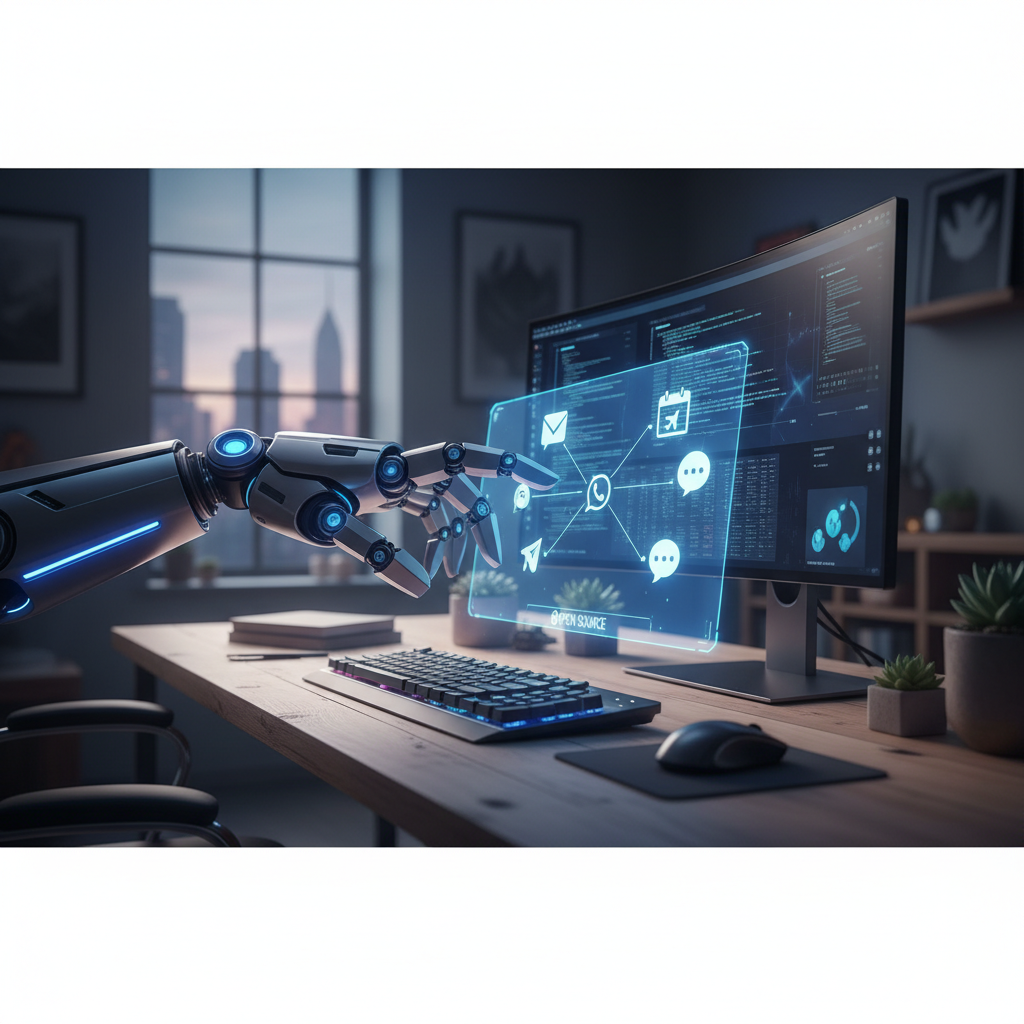
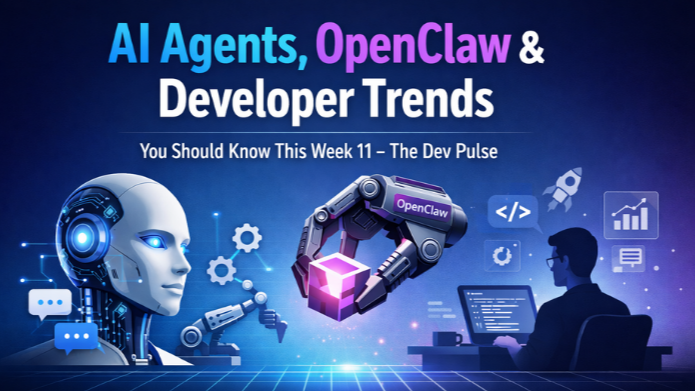
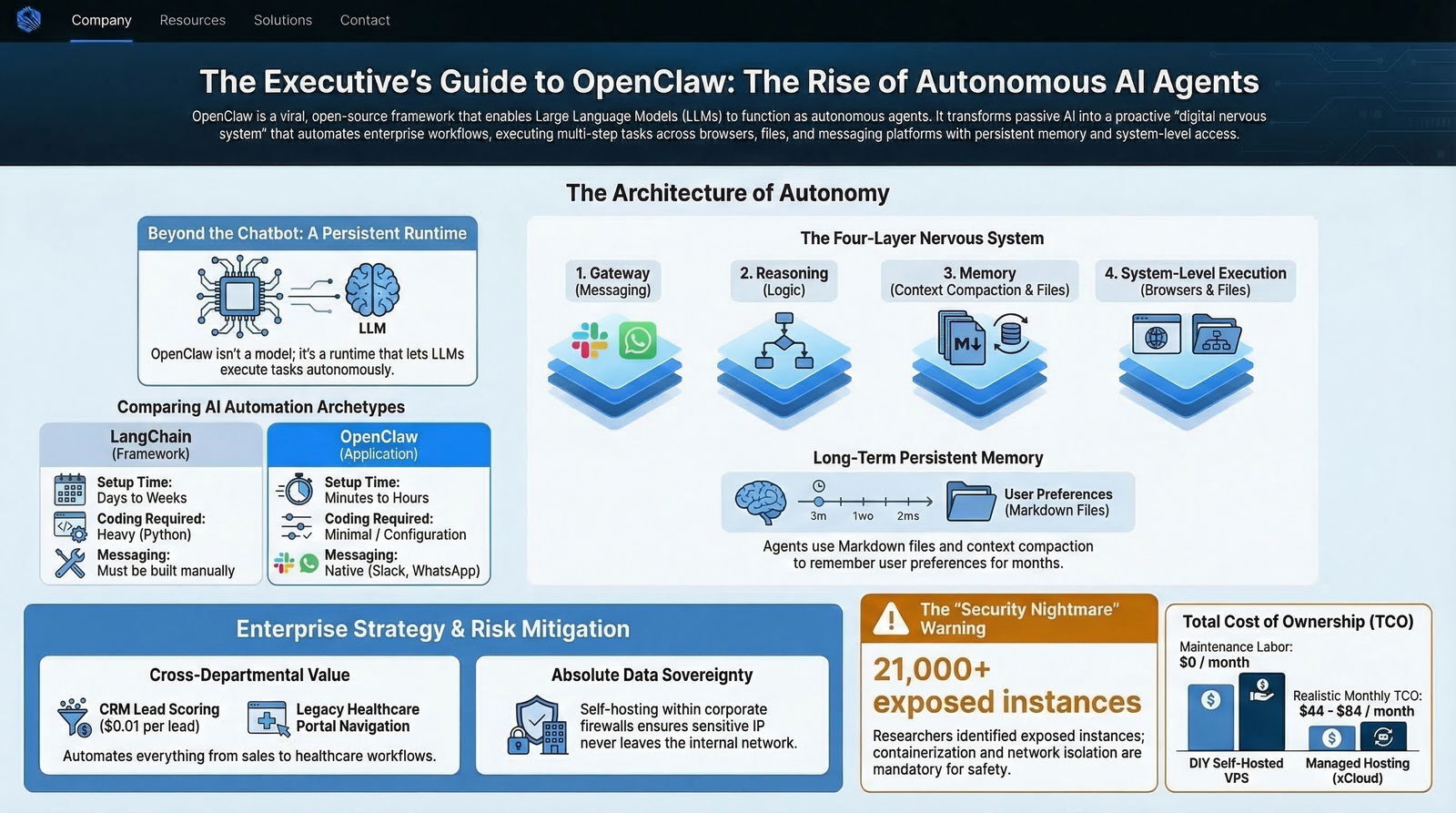
OpenClaw is presented as an example of a personal AI assistant designed to move beyond informational queries to operational tasks. As highlighted in its descriptions, OpenClaw is "The AI that actually does things." It can clear your inbox, send emails, manage your calendar, and even check you in for flights. OpenClaw is designed for accessibility, operating directly from familiar chat interfaces such as WhatsApp, Telegram, and Discord. Its open-source nature, on-device privacy (running on macOS, Linux, and Windows), and user-centric approach are presented as features that aim to empower individuals with digital assistance.
Want your team to run this workflow with AI-native execution?
OpenClaw's emergence can be seen as an example of AI's potential transition from an informational resource to an operational partner. While personal agents like OpenClaw aim to enhance individual productivity, the broader potential of AI is often discussed in terms of its ability to foster collective intelligence. This article will explore how the concept of individual task automation might evolve towards collaborative AI agent orchestration in shared workspaces, a vision presented by platforms like Nonilion, which aims for human and AI agents to work together to achieve organizational goals.
II. The Power of Personal Automation: What OpenClaw Represents
OpenClaw embodies the promise of personal automation, offering a glimpse into a future where mundane tasks are handled by intelligent agents.
"The AI that actually does things": OpenClaw's core capabilities extend to practical, time-consuming administrative tasks. It can manage your inbox, schedule appointments, and handle travel logistics, which aims to free up individual users from repetitive digital chores. Its ability to run on your own machine (macOS, Linux, and Windows) and integrate with existing chat apps like WhatsApp, Telegram, and Discord, is designed to make it an accessible tool.
User-Centric Interface: The use of existing chat applications is a notable aspect of its user-centric interface. By meeting users where they already are, OpenClaw aims to lower the barrier to entry, intending to make natural language interaction with an AI agent feel intuitive and integrated into daily communication flows. This approach aims to allow users to control mail, messages, and calendar functions from a single chat interface.
Privacy and Autonomy: The appeal of an on-device, open-source personal assistant is a key feature. It contrasts with many cloud-dependent services by offering enhanced privacy and user control. Users can install it with a simple command, and its open-source model supports community-driven enhancements and personalized workflows, aiming to foster autonomy and customization.
The "Why": Addressing Individual Pain Points:
- Overcoming Digital Overload: Personal agents like OpenClaw are designed to alleviate the burden of repetitive, administrative tasks that contribute to digital fatigue, such as clearing inboxes or managing calendars.
- Empowering the Individual: It aims to provide users with a personal "digital assistant" that executes tasks rather than just informing, positioned as a tool for individual efficiency.
- Accessibility and Customization: The open-source nature means the community can build upon it, tailoring workflows and adding new skills and plugins, aiming for adaptability to individual needs.
The "Where": The Personal Workspace: OpenClaw is designed for the individual's digital environment, with the goal of optimizing personal productivity and managing one's own digital footprint. It is presented as a tool for personal efficiency, aiming to enable users to manage their daily briefings and control various digital interactions.
III. Beyond Solo Acts: The Limitations for Collaborative Work
While personal AI assistants like OpenClaw are designed for individual task automation, their design inherently focuses on a single user's needs. This approach may present challenges when considering complex organizational projects, which often involve multiple individuals working collaboratively. Such projects require shared context, coordinated actions, cross-functional communication, and collective decision-making, areas where a purely personal agent faces inherent limitations.
Challenges for Team-Based AI Integration:
- Lack of Shared Context: A personal agent's knowledge base and actions are siloed to its owner. This makes it difficult for it to contribute to a shared understanding of a project or to access and leverage information relevant to an entire team.
- Coordination Overhead: Managing multiple individual AI agents across a team introduces new complexities rather than streamlining them. How do these agents communicate with each other? Who has oversight over their collective actions? Without a unified framework, this can lead to fragmentation.
- Scalability Issues: Deploying and managing a fleet of personalized agents for an entire organization can be inefficient and may lack centralized governance. Each agent might require individual setup and maintenance, making large-scale integration challenging.
- Absence of a Collaborative Workspace: Chat-based interaction, while intuitive for personal tasks, may lack the structured environment needed for multi-stakeholder project management, transparent progress tracking, and collective knowledge building. It may not provide a common ground for shared assets, discussions, and decision logs.
The transition from individual task execution to team-wide strategic impact often demands a different architectural approach for AI integration. It may require not just agents but sophisticated orchestration that can coordinate their efforts within a shared, transparent environment.
IV. The AI Office of Tomorrow: Orchestrating Collective Intelligence with Nonilion
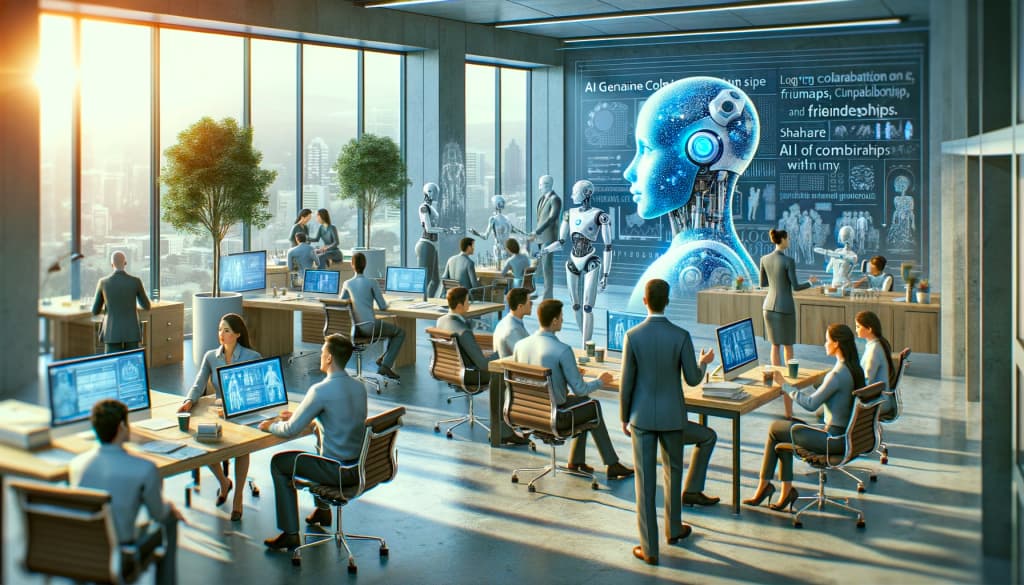
The concept of an "AI office" is evolving, moving from a futuristic vision towards practical applications. It represents a virtual environment where human intelligence and diverse AI agents co-exist, collaborate, and contribute to shared objectives within a structured, transparent framework. This approach aims not to replace humans but to augment collective capabilities.
This approach often envisions a shift from individual agents to teams of agents. Just as human teams comprise specialized roles, the AI office leverages specialized AI agents working in concert, each contributing unique skills—for example, a research agent to gather market trends, a communication agent to draft internal memos, or a data analysis agent to identify key performance indicators. This multi-agent approach aims to mirror human team dynamics, where different roles contribute to a common goal, with the intention of creating a more robust and adaptable collective intelligence.
Nonilion is presented as a platform supporting this collaborative AI vision, aiming to provide infrastructure for an AI office environment.
Shared Workspace as the Foundation: Nonilion's dedicated shared workspace is designed to offer a common ground for human and AI agents to interact, share information, and track progress transparently. This contrasts with the isolated nature of personal, chat-based agents, offering a unified environment where all stakeholders—human and AI—have access to the same context and tools.
Enabling Workflow Automation and Team Coordination: This platform is designed to facilitate complex, multi-step workflows that go beyond simple task execution. For instance, within this platform, an AI agent could automatically synthesize meeting notes, assign follow-up tasks to human team members, and even draft initial reports based on project progress. This approach aims for workflow automation and team coordination across projects, enabling async execution where AI agents can advance work even outside human working hours.
Human Oversight and Collaboration: Crucially, this platform is designed to keep humans in the loop. It provides mechanisms for human oversight, allowing strategic decisions to be made by people, while AI agents handle aspects of data processing and task execution. This approach aims to foster human + AI collaboration, where intelligence can be amplified through partnership.
V. From Automation to Augmentation: The Human-AI Synergy in Action
The shift from individual automation to collaborative augmentation has the potential to change how organizations operate, aiming to unlock new levels of efficiency and capability.
The "How": Building Synergistic Workflows:
- Scenario Example 1: Project Management: While a personal agent like OpenClaw might efficiently schedule a personal meeting, this platform's agents could collaboratively manage an entire project lifecycle. This includes researching market trends, drafting project proposals, coordinating cross-functional team meetings, and generating progress reports, all within a shared project space accessible to all human and AI team members. The AI agents handle iterative tasks, allowing human managers to focus on strategic direction.
- Scenario Example 2: Strategic Insights: An AI agent in this platform could analyze vast datasets—from internal sales figures to external market sentiment—identify emerging patterns, and present actionable insights to human strategists. These humans then refine and act upon these recommendations, leveraging the AI's analytical power to make more informed and timely strategic choices. This is an example of augmentation, where AI enhances human cognitive abilities, not just automates tasks.
The "When": Unlocking New Efficiencies and Capabilities:
- 24/7 Productivity: AI agents can work asynchronously, processing information and executing tasks outside human working hours. This can accelerate project timelines and contribute to continuous progress, regardless of time zones or human availability.
- Enhanced Decision-Making: By synthesizing complex information rapidly and identifying subtle patterns, AI agents can provide humans with richer, more timely data, aiming to lead to more informed and strategic choices.
- Focus on High-Value Work: By offloading repetitive, data-intensive, and information-gathering tasks to AI, humans may be able to dedicate more time to creative problem-solving, innovation, interpersonal collaboration, and strategic thinking—areas often highlighted as strengths of human intelligence.
The "Where": The Virtual Collaborative Hub: The shared virtual workspace is presented as a key environment where human and AI intelligence can converge. It is envisioned as a central hub for the organization, aiming to enable communication, shared context, and coordinated action across all agents, human and artificial, to achieve common goals.
VI. Conclusion: The Future is Collaborative, Not Just Automated
The journey from the individual utility of personal AI agents like OpenClaw to the potential organizational impact of collaborative AI agent orchestration represents a significant development in the evolution of work. While personal productivity tools are valuable, businesses in an increasingly complex world may find benefit in moving beyond solely individual productivity enhancements. Integrated, intelligent systems that empower entire teams are increasingly being explored.
This platform is presented as a model for progress, aiming to provide a platform for seamless human + AI co-working in a unified workspace. It aims to create an environment where AI agents don't just "do things" for one person, but can contribute to the collective intelligence and strategic execution of an entire organization. The significant potential of AI is often seen not in its ability to replace human tasks, but in its capacity to elevate human collaboration and potentially amplify collective intelligence. The AI office is evolving from a futuristic concept towards a present reality for organizations exploring collaborative intelligence.
02Why This Trend Matters for Nonilion
This trend matters to Nonilion because it points to a bigger change: teams are moving from simple calls toward persistent, AI-supported collaboration spaces. Nonilion can bridge live presence, meeting context, avatars, and follow-up work so the trend becomes a usable workflow instead of a headline.
03Shareable Extracts
- The trend is not just "openclaw: What Developers Need to Know" - it is a signal that team coordination is becoming the next competitive edge.
- Hot take: the teams that win from this shift will not be the ones with more meetings; they will be the ones with clearer shared context after every meeting.
- If openclaw: what developers need to know keeps moving this fast, remote teams need a workspace where conversation, presence, and follow-up stay connected.
- From Personal Agents to Collaborative Intelligence: OpenClaw and the AI Office I.
- Introduction: The Dawn of the Actionable AI Agent The increasing presence of artificial intelligence in our daily lives, from generative text to predictive analytics, points towards an evolving frontier: AI that can actively perform tasks.
04Social Hooks
- Everyone is talking about openclaw: What Developers Need to Know. The overlooked part is what happens to team workflows after the headline fades.
- The uncomfortable question behind openclaw: What Developers Need to Know: are teams adapting their collaboration systems fast enough?
- This is not a meeting trend. It is a coordination trend, and products like Nonilion sit right in the middle of that shift.
05Sources and Author
Sources
-
OpenClaw — Personal AI Assistant openclaw.ai
-
OpenClaw — Personal AI Assistant github.com/openclaw/openclaw
-
OpenClaw en.wikipedia.org/wiki/OpenClaw
-
r/openclaw www.reddit.com/r/openclaw/
Author
This article on openclaw was generated by the Nonilion AI blog workflow using web research inputs and AI-assisted synthesis.