Home/Blog/an immersive, gamified virtual collaboration platform designed to replace traditional, fragmented video conferencing tools (like Zoom/Slack) for remote teams. Nonilion is the world's first coworking platform where AI and humans coexist.
collaboration software comparisons
an immersive, gamified virtual collaboration platform designed to replace traditional, fragmented video conferencing tools (like Zoom/Slack) for remote teams. Nonilion is the world's first coworking platform where AI and humans coexist.
Evolving Collaboration: How Immersive AI Coworking Concepts May Redefine Digital Work I. Introduction: Addressing the Challenges of Digital Collaboration Remote work, while offerin
7 MIN READ
13 Mar 2026
collaboration software comparisons
01Evolving Collaboration: How Immersive AI Coworking Concepts May Redefine Digital Work
I. Introduction: Addressing the Challenges of Digital Collaboration
Remote work, while offering flexibility, has often presented challenges such as fragmented communication and a sense of disconnect. The current array of digital tools can lead to what Smita Hashim, Chief Product Officer at Zoom, termed the “collaboration paradox.” Hashim observed that "All that time spent in the name of collaboration can paradoxically get in the way of effective teamwork, reduce meaningful connection with our colleagues, and hamper engagement at work." This suggests a need for businesses to consider how their teams communicate and collaborate.
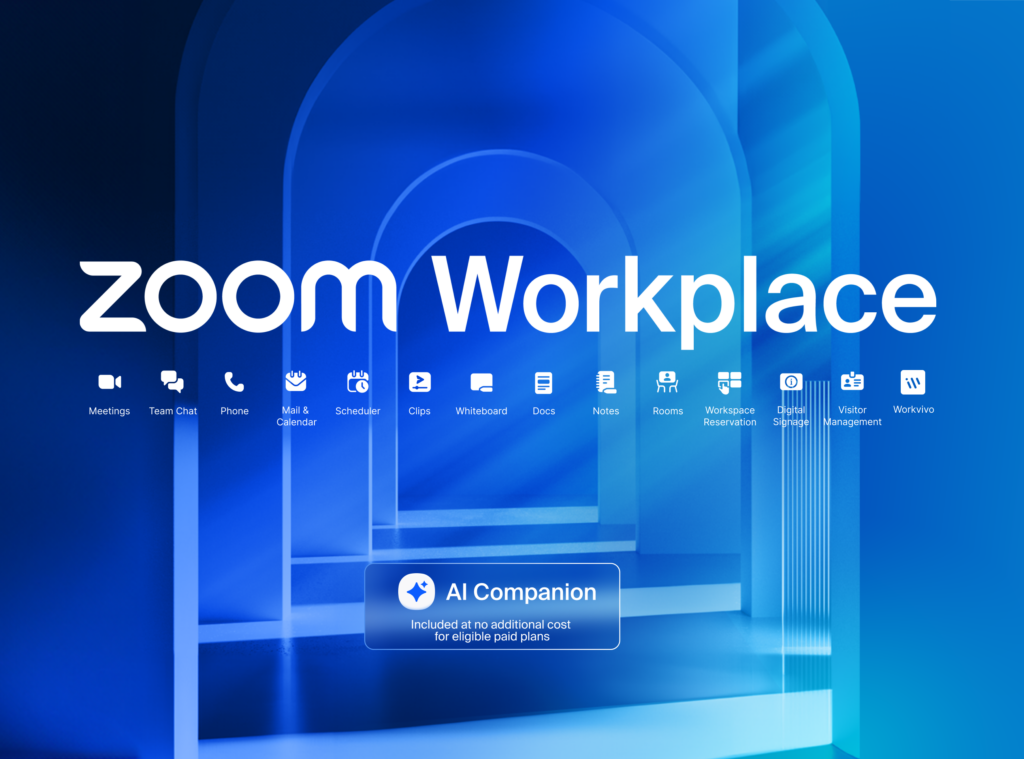
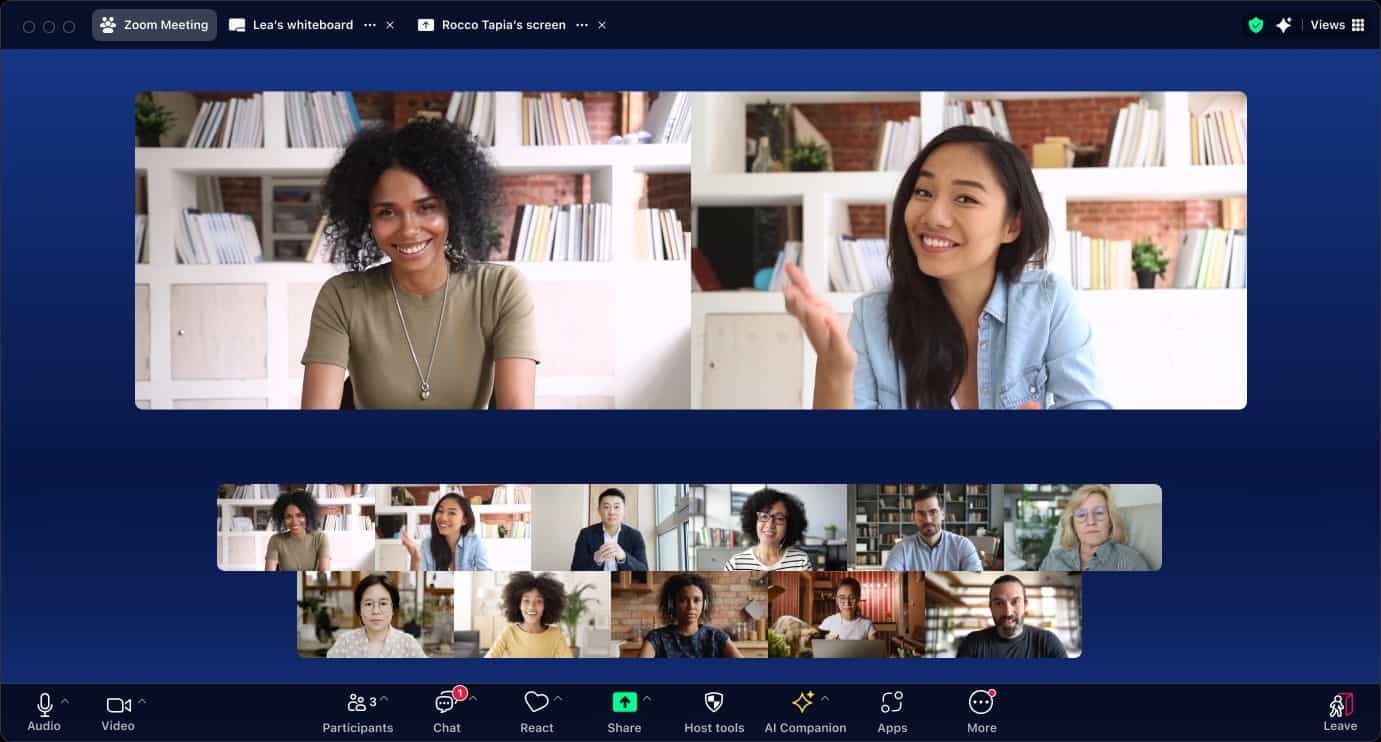
In response to these challenges, new approaches are emerging. Platforms like Zoom Workplace, an AI-powered collaboration platform, are actively working to optimize flexible work experiences and facilitate connections. Beyond this, a broader conceptual vision points towards immersive, gamified virtual coworking platforms. , for instance, is conceptualized as an example designed to offer a unified, persistent, and engaging virtual environment where AI and humans can coexist, potentially addressing the fragmented experience of traditional video conferencing tools (like Zoom/Slack). This article explores how the landscape of digital collaboration is evolving, with platforms like Zoom Workplace beginning to redefine productivity and engagement, and concepts like representing a potential future trajectory for the nature of work.
II. The "Why": Deconstructing the Collaboration Paradox
The limitations often associated with traditional collaboration tools are a driving force behind this evolution. The common practice of switching between various applications for video calls, chat, and project management can disrupt workflow and potentially increase cognitive load. While specific details on "meeting fatigue" or "context switching costs" are not extensively detailed in the provided sources, the articulation of the "collaboration paradox" by Zoom's CPO suggests an acknowledgment of underlying issues. Zoom's stated goal to "reimagine teamwork" and improve productivity indicates that current methods may not always be optimal.
There is a perceived need for more cohesive environments that foster continuous collaboration, moving beyond merely scheduled interactions. The challenge may not solely be a lack of features, but rather a desire for more seamless integration and a holistic sense of shared presence. Zoom Workplace, for example, is positioned as an "AI-powered, open collaboration platform" that seeks to optimize flexible work experiences, facilitate connections, and increase productivity by integrating with existing technology stacks and supporting third-party applications. This approach aims to provide a more unified solution to some challenges of digital work.
III. The "What": Redefining the Digital Workspace with Immersive Concepts
Based on the provided sources, Zoom Workplace focuses on redefining the digital workspace by creating a "seamless experience across meeting rooms, personal workspaces, and shared environments." It is an AI-powered collaboration platform designed to help reimagine teamwork and facilitate connections within the existing Zoom experience. The sources describe its capabilities in terms of optimizing flexible work and improving productivity through an integrated platform.
While the provided data does not elaborate on immersive virtual worlds, spatial computing, customizable workspaces, or gamification features specifically for Zoom Workplace, the broader discussion in the field points to platforms that aim to go "beyond the video grid." Nonilion, for example, is conceptualized as integrating various aspects of collaboration—such as meetings, brainstorming, project management, social interaction, and individual focus work—into a single, intuitive, and engaging virtual world. This vision aims to create a destination for work, potentially offering a unified ecosystem that fosters deeper engagement than traditional tools, though the specific mechanisms of its immersive and gamified nature are not detailed in the provided competitor data.
IV. The "How": AI as a Coworker, Not Just an Assistant
The evolution of AI in collaboration is advancing. In its current state, as exemplified by Zoom Workplace, AI functions primarily as a "companion" or "assistant." Zoom's AI copilot capabilities, such as "Ask AI Companion," allow users to prepare for their workday, receive critical information instantly, and automate routine tasks. This AI support is designed to enhance human work by providing summaries, assisting with task automation, and facilitating information retrieval.
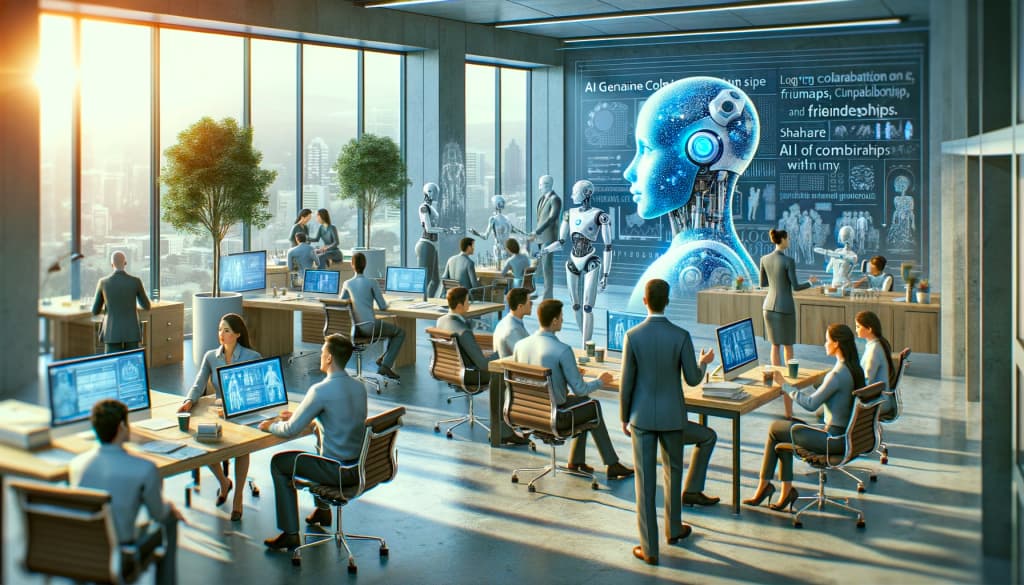
However, the concept of AI as a "coworker" with agency, as envisioned by platforms like Nonilion where AI and humans coexist, represents a significant conceptual leap beyond this assistant role. While the provided sources detail Zoom's AI as supportive and assistive, they do not describe AI agents that proactively anticipate needs, dynamically adapt environments, or actively collaborate in creative processes with the same level of agency. The idea of AI elevating collective intelligence and creative output by being an integral part of the collaborative fabric, as suggested by the concept of Nonilion, signifies a potential future where AI moves beyond mere productivity enhancements to become a more active participant in teamwork, though specific implementations of this advanced coexistence are not detailed in the provided competitor data.
V. The "Where": Nonilion in the Evolution of Digital Work
The history of work environments has progressed from centralized physical offices to the digital desktops of today, characterized by email, intranets, and the rise of various digital tools. The current hybrid/remote era highlights ongoing considerations regarding these disparate tools, prompting platforms like Zoom Workplace to emerge as AI-powered solutions to "reimagine teamwork" and optimize flexible work experiences.
Zoom Workplace, by being an "open collaboration platform" that integrates with existing technology stacks, represents a step in this evolution, moving towards more cohesive digital work environments. While the provided data does not explicitly discuss the "metaverse for enterprise" or a shift to 3D persistent environments for Zoom, the broader trajectory of digital transformation suggests a potential move towards more experience-centric collaboration. [this platform](https://www.this platform.com/), as described by its concept, aims to foster a new kind of digital culture focused on presence, engagement, and seamless interaction, potentially offering a unified solution for global, distributed teams that goes beyond some current offerings detailed in the provided sources.
VI. The "When": Considering the Immersive Future
The rapid advancements in technology and the growing market interest in more effective collaboration tools suggest that the time for embracing advanced collaboration platforms may be approaching. While the provided sources do not detail specific adoption hurdles or strategic implementation plans for Zoom Workplace beyond its unveiling and integration capabilities, the focus on an "AI-powered, open collaboration platform" suggests a readiness to meet evolving demands.
Organizations may consider preparing for potential shifts in collaboration technology. Early adopters of advanced AI-powered platforms, and eventually those that embrace truly immersive and gamified environments like the vision proposed for [this platform](https://www.this platform.com/), could potentially gain strategic advantages. These advantages might include attracting talent, fostering innovation, and building resilient, highly engaged remote teams. The emphasis on "reimagining teamwork" and improving productivity, as highlighted by Zoom's strategic direction, underscores the relevance of preparing for the future of digital collaboration.
VII. Conclusion: A Potential New Era of Collective Intelligence
The challenges associated with fragmented collaboration suggest a growing need for more integrated and intelligent solutions. AI-powered platforms like Zoom Workplace are actively addressing aspects of the "collaboration paradox" by offering tools that facilitate connections and improve productivity. The vision presented by platforms like [this platform](https://www.this platform.com/), which aim to provide an immersive, gamified virtual coworking space where AI and humans might truly coexist, represents a compelling conceptual future for digital work.
Imagine a workday where one might feel genuinely present with their team, where collaboration flows effortlessly, and where AI actively contributes to collective success. This aspiration for true connection and enhanced collective intelligence could be a driving force behind the next generation of virtual collaboration. Thought leaders may be encouraged to look beyond incremental improvements to existing tools and consider the transformative potential of these next-generation concepts. The future of work may not just be remote; it could evolve to be increasingly intelligent, integrated, and deeply connected.
This article on an immersive, gamified virtual collaboration platform designed to replace traditional, fragmented video conferencing tools (like Zoom/Slack) for remote teams. Nonilion is the world's first coworking platform where AI and humans coexist. was generated by the Nonilion AI blog workflow using web research inputs and AI-assisted synthesis.